
|
|
| Each summer in Australia brings more frequent, more severe, and more expensive weather events to Australia - heatwaves, bushfires, flooding and cyclones intensified by climate change. These events are an increasing risk to lives, communities, the environment and the economy. Australian governments must act now to reduce emissions, strengthen resilience, and protect the most vulnerable Australians from the escalating impacts of climate-driven disasters. | |
|
|
|
Background and context:
On average, the Australian government spends $1.6 billion each year on disaster recovery as we experience some of the highest per capita losses in the world. Around $4.5 billion in insurance claims related to extreme weather are made annually, nearly three times higher than the 1990s. Australia’s poorer communities are often disproportionately burdened - for example the majority of homes that are unable to have flood insurance coverage are in regions with average incomes below the national median, meaning the most vulnerable Australians are unlikely to have a safety net if they are impacted. The non-economic impacts are also vast. People are displaced, the cost of groceries increases, and farmers struggle to provide food and other agricultural products. Our health system faces additional pressure during and after extreme events due to increased numbers of injuries and deaths (including more than 1,000 hospitalisations per year due to extreme weather-related injuries) and the mental health burden faced by people that experience, or worry they might experience, extreme weather. Our wildlife and environment suffers extreme losses, including mass mortality of affected species and habitat disruption when ecosystems are damaged or destroyed.Record global levels of fossil fuel pollution are influencing our extreme weather events more than natural drivers like the ENSO cycle. Already, attribution analysis has been published that shows the heatwave experienced in January 2026 was made five times more likely by anthropogenic climate change - particularly concerning as heatwaves are our deadliest natural hazard, causing more fatalities in the last 125 years than bushfires, cyclones, earthquakes and floods combined. It’s a sign of what is to come: the 2025 National Climate Risk Assessment warns the number of days of heatwave we experience each year, and the number of heat-related deaths, could quadruple if greenhouse gas emissions are not reduced. The same assessment also estimates that millions of people will be at risk due to worsening bushfires, rainfall, riverine and coastal flooding and tropical cyclones. The financial toll will also worsen, as many properties and assets are falling outside of insurance schemes as they become increasingly unaffordable in the wake of extreme weather events, and one in every 25 properties will be effectively uninsurable by 2030 due to the risk of extreme weather. Economic modelling estimates that by 2060, the cost of natural disasters could increase to $73 billion per year - even under a low emissions scenario - due to worsening coastal inundation, bushfires, floods and tropical cyclones driven by climate change, and could trigger cascading shocks to Australia’s communities, economy, national security, infrastructure, healthcare, primary industries and natural environment. Today’s choices shape the world we will live in. The Australian government must act decisively to reduce greenhouse gas emissions and exceed our 2035 emissions reduction target, while strengthening climate adaptation measures to ensure Australians are prepared for the growing impacts of extreme weather. This could mean investing in resilient infrastructure and services, reforming the insurance schemes, and improving the health of our ecosystems to provide natural protection. Why is this important?
Desired outcomes:
Who to contact:
Other resources
Actions you can take: 1. Email your MP or relevant Ministers If you need some help getting started with your email, here is an example. Please don’t copy it exactly - personalise it and tailor it to the MP you are writing to. In addition, when writing to a Minister or Shadow Minister, start by saying that you’re writing to them in their role as Minister for xxxx, otherwise they will probably just forward your email to your local MP. |
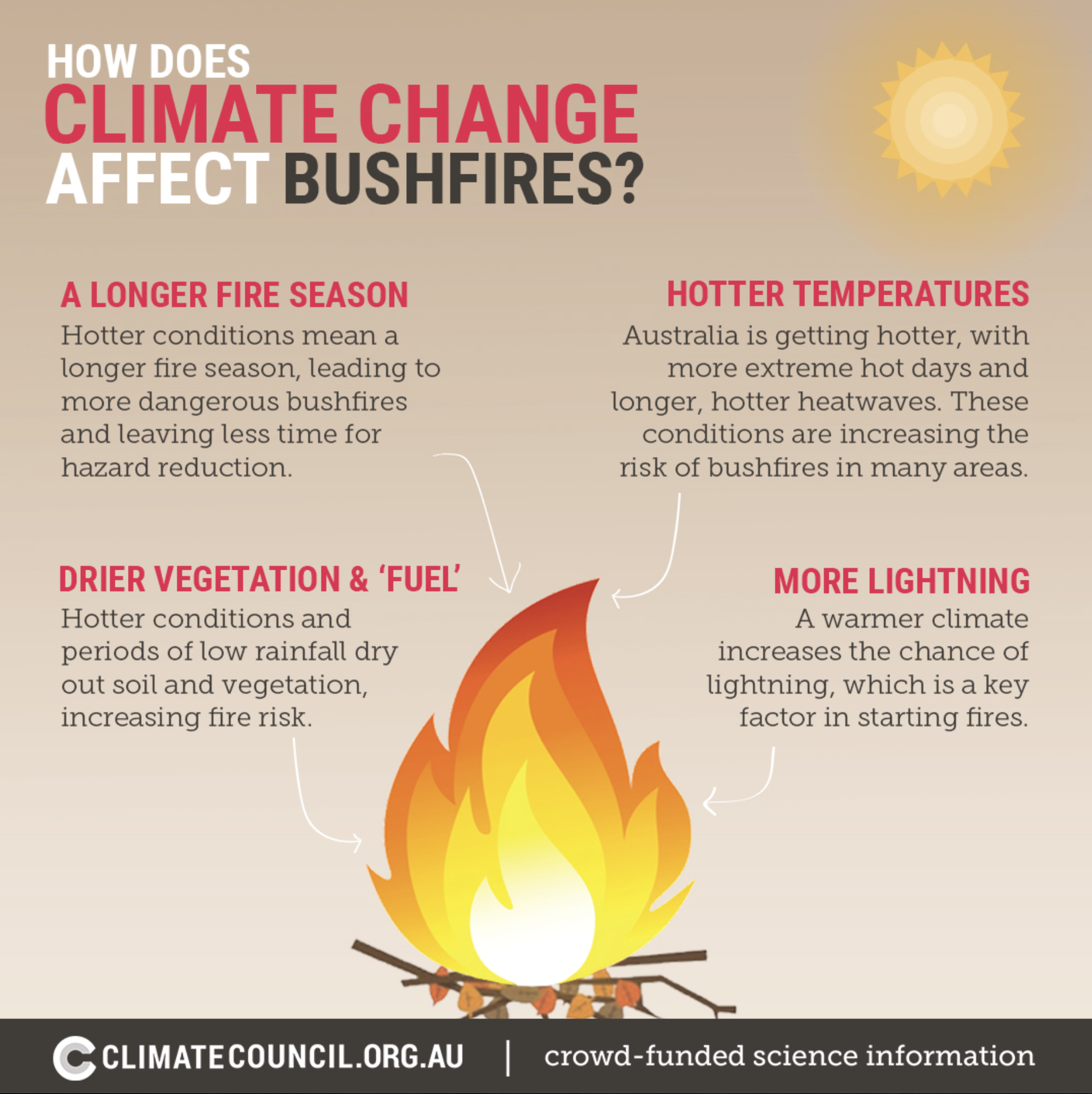 In the first three months of 2026, we’ve already experienced a
 |
[MP name] [Member for …. or Minister for ….] Dear … [Include a personal statement - who you are and why you care] In the first three months of 2026 alone, we have already experienced record-breaking heatwaves, widespread flooding, devastating bushfires, and multiple cyclones. These events are becoming more frequent, intense, and costly due to human-induced climate change, placing lives, communities, and the economy at risk. Vulnerable Australians, including those in low-income regions, are disproportionately affected, while insurance costs and recovery expenses continue to rise. Without immediate action to reduce emissions and strengthen resilience, the scale and severity of disasters will only worsen. [add a personal reflection on your experience with extreme weather events, or those that might occur in your electorate, using the Climate Council tools linked above] How will you support stronger emissions reductions to limit global warming and protect Australians from escalating climate disasters? What plans do you have to invest in resilience measures to help our community prepare for, adapt to, and recover from bushfires, floods, cyclones, and other climate-driven events? Will you support a tax on gas exports to help fund resilience and adaptation measures? I look forward to your response. Sincerely Name Address Phone (required if you want a reply) |
|
2. Call your MP Here is a suggested script to get you started: |
|
|
|
|
3. Visit your MP Nothing beats a face-to-face Meeting! Email your MP’s electorate office to ask for a meeting and follow up with a phone call a few days later. Get help on how to do this under the Democracy and Governance heading on our Climate briefings webpage. |
(Last updated April 2026)
 Science says:
| HOW GLOBAL WARMING AFFECTS WATER CYCLES AND FRESH WATER |
|
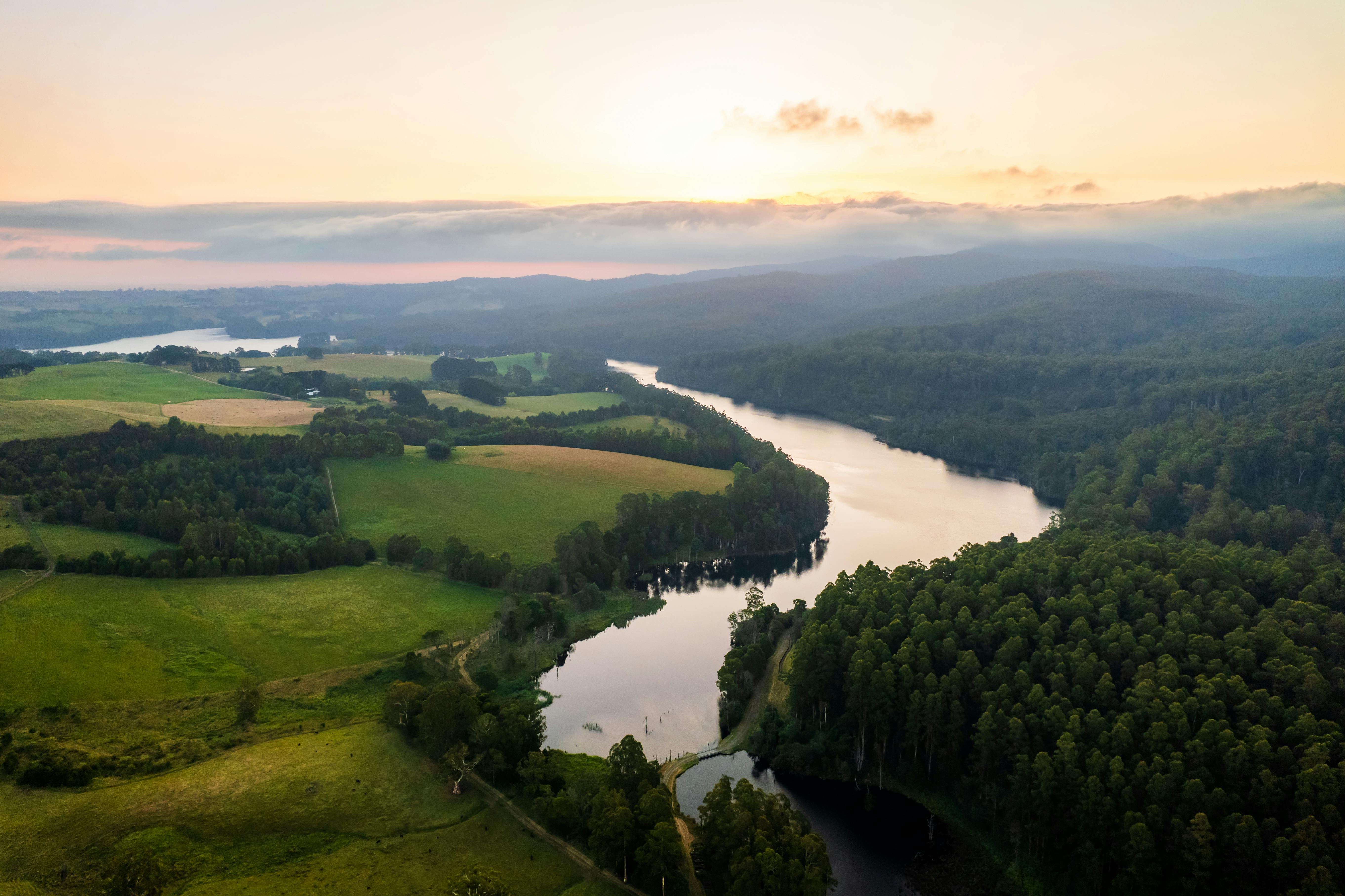
Global warming is changing how water moves through Australia’s environment, with serious consequences for fresh water availability. Rising temperatures increase evaporation from soil, rivers, and reservoirs, which in turn creates more precipitation and more frequent, more intense storms. These changing rainfall patterns also change the frequency and severity of floods and droughts, and can lead to depletion of groundwater as irrigated agriculture, farms and cities rely heavily on ever-decreasing freshwater supplies. While northern Australia is expected to receive more rainfall in a climate-impacted future, the heavily-populated southern and eastern areas of the mainland will receive less. |
 Disrupting the water cycle