Tips and suggestions for writing to your MP

CLIMATE BRIEFING
Writing to your MP may feel daunting but you don’t have to be an expert. Here are 10 tips designed to give you encouragement and guidance to get you started. Keep your email or letter short (a page or less) and personal. Write what you feel. Explain why the issue matters to you and, most importantly, what you want your MP to do about it.
This climate briefing is part of our series of simple, easy-to-follow guides and email templates on big climate topics for Australia. They’re designed to help you get across the issues, feel more confident speaking up, and make it easy to send a message to your MP about the things you care about.

MPs are supposed to respond to all communications from their constituents, but they are much more likely to sit up and take notice of a personal email or letter as it shows their constituent cares enough to take the time. The word from insiders in MPs’ offices is that emails and letters are taken very seriously – and counted! For everyone who takes the time to raise an issue with them, they know there are many more people who feel the same way. If they receive lots of correspondence on a particular issue, it will be discussed in policy meetings and can have an effect on decision-making.

10 tips and suggestions for emails:

  1. Put your letter in the main email window - don’t send it as an attachment! And make sure to include your name, address and phone number at the end if you want a reply.
  2. Check the spelling of your MP’s name! (Note: In Australia, the Labor Party does not have a “u”)
  3. Personalise your first sentence - who you are, why you care, why this is important to you. EG: “I’m a voter in Cooper and a parent of two young children. I’m deeply concerned about what sort of future they will have in our rapidly warming world”.
  4. When writing to a Minister or Shadow Minister, start by saying “I’m writing to you in your role as Minister for [xyz]”. Otherwise they are likely to forward your email back to your local MP, or  handball it to the minister whose area it falls under.
  5. Optional: start with a thank you or something positive about the MP you're writing to.
  6. Once you have sent an email to your (or another) MP, it’s easy to cut, paste, tweak and send to other MPs, relevant Ministers and Shadow ministers. Also send it to cross-benchers - their votes can be very important in Parliament.
  7. Keep it short, MPs and staffers don’t want to read pages of information - short is good, half a page to a page
    • Some of the climate briefings on our website include extra talking points - choose a couple to include, but not all 
    • Make sure you ask a question or two for them to answer
  8. Tell them what outcome you want - a request of what you want the MP to do
    • “Ask” them to support you by acting for you in some way
        • Will you support ….
        • Will you speak in parliament…
        • Lobby within your party
        • Vote in parliament
  9. General email template here
  10. Don’t agonise over the wording - it’s better to send than not to send!
    • Don’t worry about it being perfect (ie spelling/grammar) or even being sure of the facts - stating how you feel has more impact than facts
    • The word from politicians and staffers is it’s quantity (not quality) that counts. Your MP may read your email themself, but it will more likely be a staff member in their office who will count the number of emails they receive on particular issues, and present a summary of correspondence to the MP
    • It’s a numbers game - the more correspondence they get on climate issues, the more seriously they will take them (ultimately, they want your vote!)

PS: Please log your emails on the contact tracker so we can track our impact.

CLICK HERE TO LOG YOUR CONTACT WITH MPs

(Last updated October 2025)


 Disturbing data:

SOME PLACES MAY BECOME TOO HOT FOR HUMAN HABITATION

Where in the world will it be too hot to live?
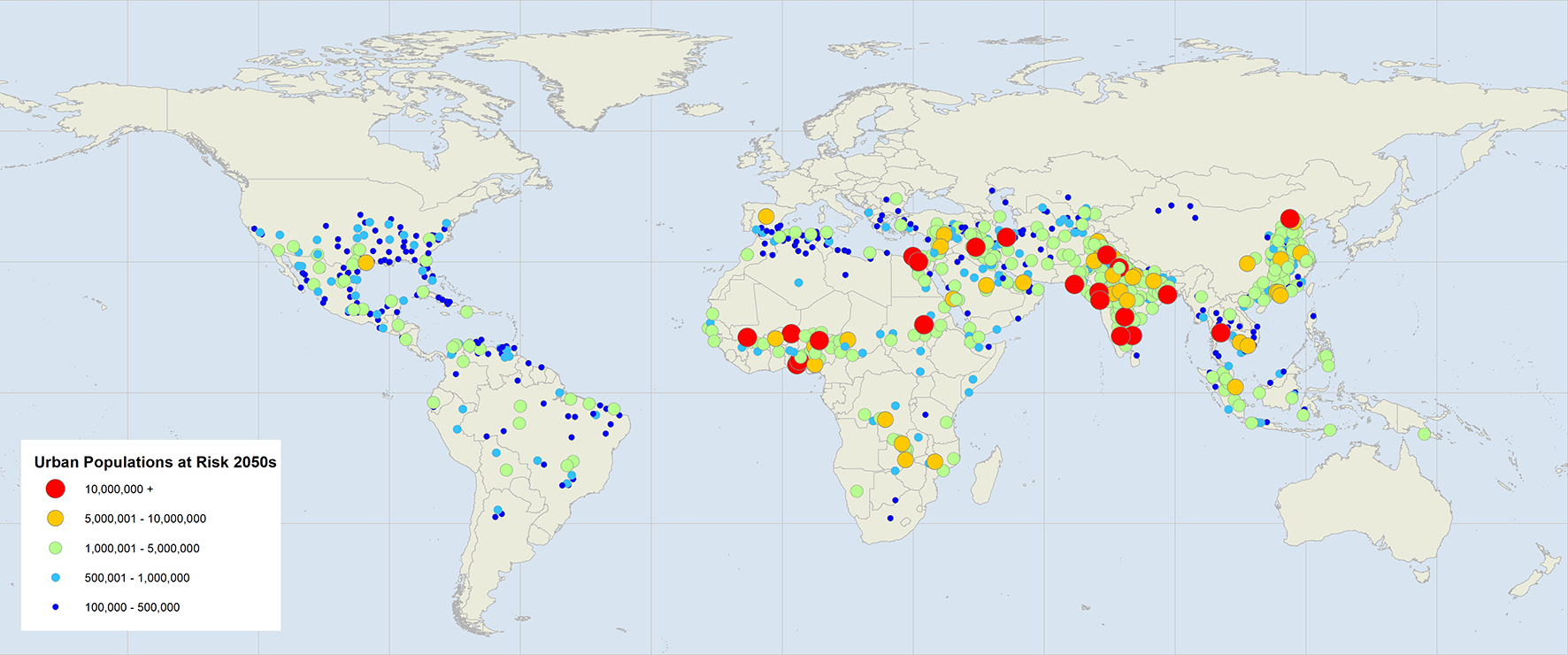
The health dangers of extreme heat mean some places around the world may become too hot for humans to safely and continuously inhabit in the future. Prolonged exposure to high temperatures can lead to heatstroke, dehydration, and even death - especially in areas where access to cooling, healthcare, and clean water are limited. Around 1,000 cities, home to 1.6 billion people, will experience dangerous and frequent heatwaves in as little as 30 years. This includes major population centres on the Indian subcontinent, the Middle East, and West Africa, where already hot climates will become increasingly inhospitable due to intensifying impacts of climate change


Aboriginal flag Torres Strait Islander flag

We acknowledge the Traditional Custodians of Country throughout Australia, whose sovereignty was never ceded. We acknowledge that Indigenous peoples around the world are at the forefront of climate change, both in experiencing its effects and leading solutions for change. We pay our sincerest respects to all Elders, past and present.