
|
|
| Carbon capture and storage (CCS) - or, more accurately, carbon pollution dumping (CPD) - is a process that captures and compresses carbon dioxide and stores it in subterranean or sub-seabed storage sites. Despite 50 years of research and testing, the technology is flawed and has not lived up to expectations. To date, CCS has only managed to bury a tiny fraction of Australia's emissions. It is mainly used as greenwashing by fossil fuel companies, and is a distraction from real emissions reduction. | |
|
|
|
Background and context Carbon capture and storage (CCS) is acknowledged by the IPCC as a means of reducing emissions in most industrial processes, noting it is required to mitigate remaining carbon dioxide emissions. However, the IPCC also notes the impact of CCS on net emissions is minimal, and also more expensive, when compared to the potential impact of wind and solar energy. In Australia, CCS is often used by fossil fuel companies as a means of greenwashing and to enable the continuation of polluting fossil fuel projects - not because fossil fuel companies genuinely want to reduce emissions. The technology has been around for 50 years, but in that time has only managed to bury 10 million tonnes of carbon each year - a small portion of Australia’s 500 million tonnes of emissions. Instead, it is detrimental to the environment, expensive, usually reliant on government subsidies, and often ineffective. Chevron’s Gorgon venture off the WA coast has been declared “a shocking failure” because of its repeated inability to meet carbon storage targets. In the 2024 budget the government allocated $36.2m over four years for regional cooperation on carbon sequestration onshore and offshore storage reservoirs including storage in depleted petroleum fields. It is central to the government’s Future Gas Strategy, is proposed for the cement and lime industry and the steel industry, and is promoted by CSIRO as a key component of Australia’s net-zero future. Federal funding is often required to enable CSS: for example, feasibility studies supported by a $6.5 million Commonwealth grant are underway for storage off the coast of Geraldton in WA, linked to the Cliff Head oil field. As of June 2024, there were at least 15 CCS projects in development including a particularly controversial project in Browse Basin, northwest of Broome, where carbon storage is proposed under pristine Scott’s Reef. In November 2025, the WA EPA made a decision to not assess the environmental impacts of CCS in the Browse Basin. Why is this important?
Desired outcomes
Who to contact
Resources
1. Email your MP or relevant Ministers If you need some help getting started with your email, here is an example. Please don’t copy it exactly - personalise it and tailor it to the MP you are writing to. In addition, when writing to a Minister or Shadow Minister, start by saying that you’re writing to them in their role as Minister for xxxx, otherwise they will probably just forward your email to your local MP. |
|
[MP name] [Member for . . . . or Minister for . . . ] Dear . . . [personal introduction – who you are, why you care] Carbon capture and storage (CCS) is a key element of the Future Gas Strategy, and was allocated $36.2m over four years in the May 2024 budget. This is a waste of taxpayers’ money. CCS is an ineffective, expensive, energy-intensive and counter-productive method of reducing carbon emissions. The technology has been around for 50 years, but in that time has only managed to bury 10 million tonnes of carbon each year - a small portion of Australia’s 500 million tonnes of emissions. Instead, it is detrimental to the environment, expensive, usually reliant on government subsidies, and often ineffective. Chevron’s Gorgon venture off the West Australian coast, has captured just under 5 million tonnes or about 12% of the project’s total emissions and cost an estimated $3.1 billion, and has been declared “a shocking failure” because of its repeated inability to meet carbon storage targets. Every year it leaks millions of tonnes of greenhouse gas pollution and has met only a fraction of its obligations. CCS relies on government handouts, tax breaks and questionable offsets. Its key proponents are fossil fuel corporations that promote it as a means of greenwashing and to enable the continuation of polluting fossil fuel projects - not because they genuinely want to reduce emissions. The public funds being wasted on CCS would be vastly more effective if invested in renewables, electrification, efficiency measures. CCS allows for ongoing burning of fossil fuels at a time when we urgently need to stop and move to renewables. I therefore put these questions to you for reply:
I look forward to your response. Yours sincerely, Name Address Phone (NB Contact details are needed to secure a reply) |
2. Call your MP's office
Here is a suggested script to get you started:
|
Hi, my name is ….. and I’m a voter in [your electorate]. I’d like to speak to …..[name of MP] (Staffer will probably say: I’m sorry they’re not available, can I take a message?) Yes, thank you! Would you please pass on my message and tell them I’m worried about….
And ask them to ….
Thank you |
3. Visit
Email your MP’s electorate office to ask for a meeting and follow up with a phone call a few days later. Get help on how to do this under the Democracy and Governance heading on our Issue briefings webpage.
(Last updated December 2025)
 Get informed:
| REDUCTION OF AUSTRALIA'S TRANSPORT SECTOR EMISSIONS |
|
Our transport transition 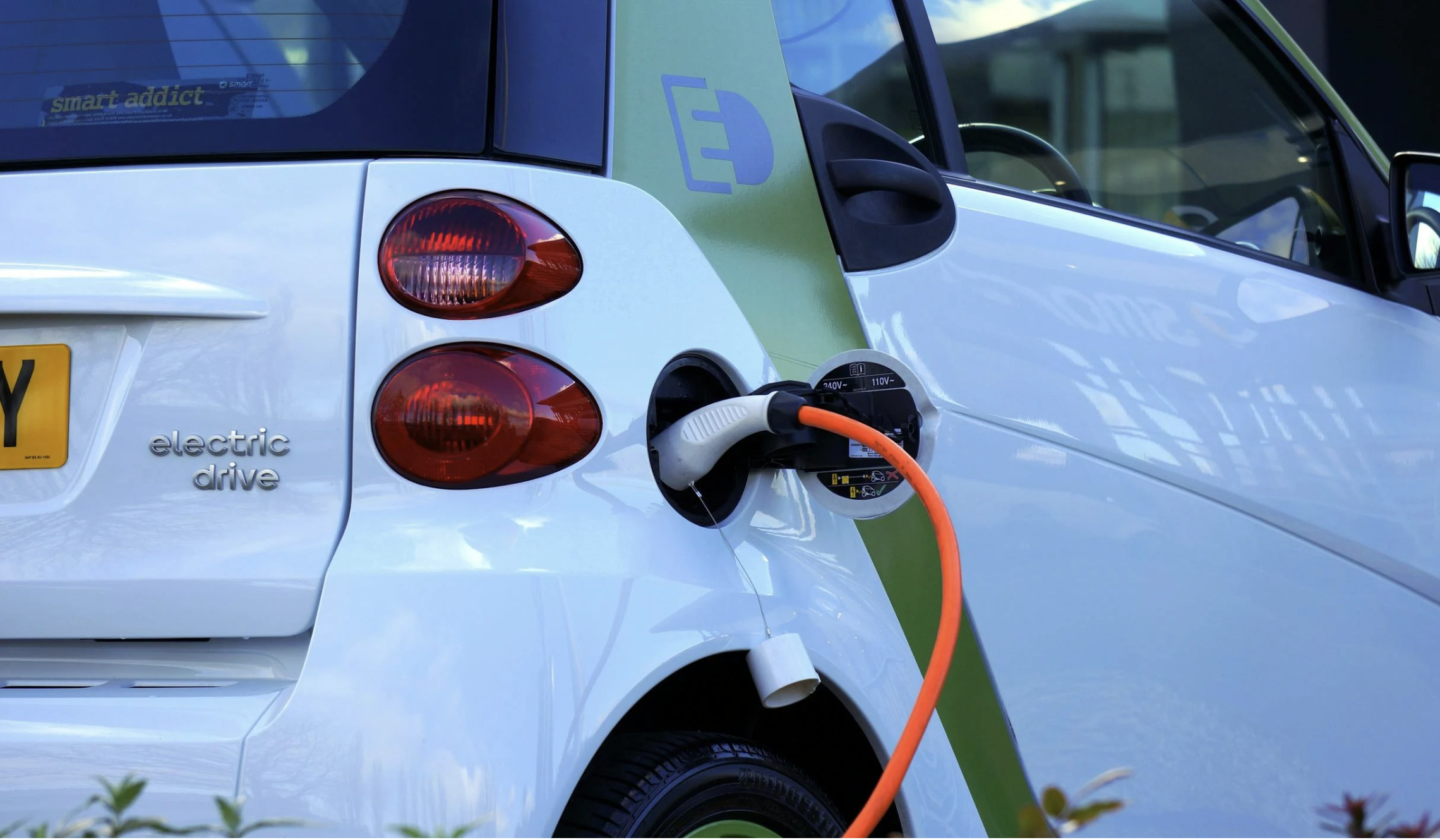
The transport sector is Australia’s third largest emissions producer, with per capita emissions averaging 45% higher than our OECD counterparts - and the sector is expected to continue growing, placing it at odds with our 2050 net zero ambitions. Shifting away from traditional petrol and diesel vehicles to electric vehicles (EVs), alongside more active transport and improved public transit options, can significantly reduce sector emissions and reduce vehicle running costs for Australian families. While EV charging infrastructure is lacking, particularly in regional areas, investment is increasing across all cities and regions, which will allow the transport transition to accelerate. Sales of EVs increased by nearly 25% in the first three months of 2025. It is expected 85% of all new vehicle sales by 2035 will be EVs. |