|
|
|
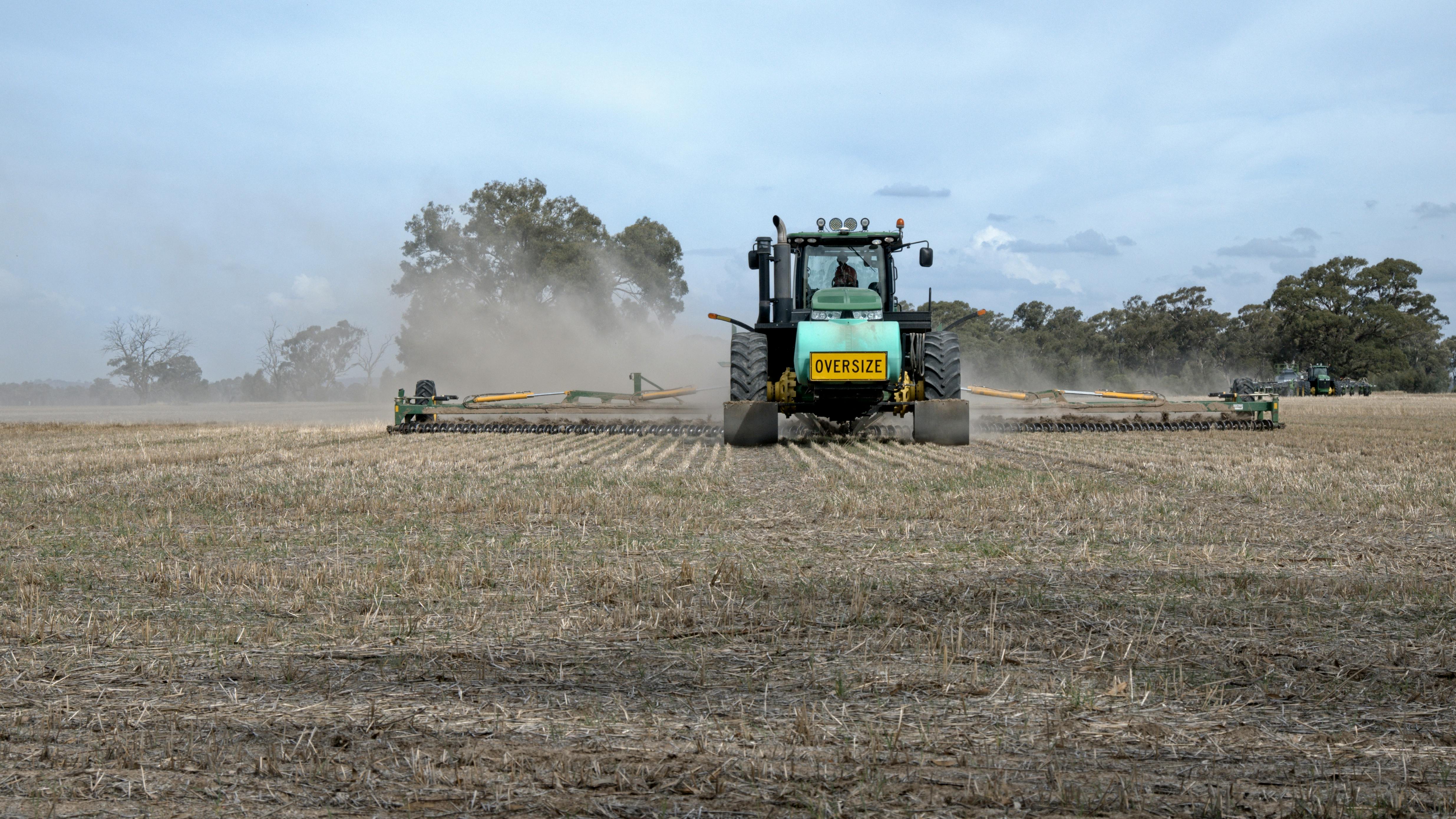
The Santos Narrabri Gas Project, in north-west NSW, involves 850 coal seam gas wells drilled on a 95,000 hectare site, obstructing the Pilliga forest and nearby grazing lands. These expanding projects risk harming the environment, Aboriginal heritage, and jeopardising Australia's commitments to phase out fossil fuels. |
|
|
|
|
Background/Context: The Narrabri gas project is located in North West NSW on the lands of the Gomeroi people. Gas expansion in this region originated with the National Covid-19 Coordination Commission and Manufacturing Working Group (NCCC), which was stacked with oil and gas executives who lobbied the federal government to support gas expansion through subsidies, incentives and the relaxation of regulations for new projects, such as Narrabri. It formed a part of the Coalition Government’s ‘gas-fired recovery’ to the COVID pandemic. The NSW Independent Planning Commission approved the project in 2020, but it has since faced legal challenges. In May 2025, the Native Title Tribunal ruled against a claim brought by local Gomeroi people, who said the project will worsen climate change and impact their health. The tribunal said the energy security benefits outweighed this harm. However, an additional legal challenge in the Native Title Tribunal is due to be heard in March 2026, which has stalled the project further. There are fears the project will damage surrounding agricultural communities’ groundwater, farmlands, forests and habitats. Farmers have also expressed concern at mandatory land acquisitions. In October 2025, Premier Chris Minns said the NSW government would consider compulsory acquisition that would force landowners to allow a pipeline for the Narrabri gas project. Approving new coal and gas is incompatible with supporting a rapid shift away from fossil fuels. Despite claims from politicians, research from The Australian Institute indicates that gas is not an effective transition fuel, and it does not significantly contribute to the Australian economy or jobs Why is this important? Investing in new gas infrastructure undermines Australia's climate goals and locks in long-term fossil fuel dependence. Australia has among the world's most abundant solar and wind resources, which could supply energy needs many times over. The Narrabri project would damage Traditional Owners land, water, and culture, poison groundwater, destroy forest, increase the risk of bushfires and endanger threatened species. Who to contact:
Resources
Actions you can take: 1. Email your MP or relevant Minister: If you need some help getting started with your email, here is an example. Please don’t copy it exactly - personalise it and tailor it to the MP you are writing to. In addition, when writing to a Minister or Shadow Minister, start by saying that you’re writing to them in their role as Minister for xxxx, otherwise they will probably just forward your email to your local MP. |
|
[MP name] [Member for …. or Minister for ….] Dear … [personal first sentence - who you are, why you care] I am writing to you because I am deeply concerned about the Narrabri Gas Project, and its potential emissions. This project would set us back significantly in our net-zero goals, and lock us in for more emissions in the future, without contributing significantly to the economy of NSW. The Narrabri Gas Project is not the answer to Australia’s economic, energy or environmental needs. We must explore stimulating avenues to promote a green renewable economic growth that benefits Australia both now and in future. We can’t ignore the opportunity we have to become a leader in renewable energies, while making our economy more secure, resilient and fair. Our unique environment and resources creates a window of opportunity for Australia. We now have a unique chance to pivot toward a green economy, reducing our emissions while stimulating economic growth. I am concerned that this opportunity will not be grasped, if Australia opts for continuing gas investments. Such a recovery will inevitably prohibit Australia’s future ability to reduce emissions and mitigate climate risks. Economically, it has been shown that gas projects will not create as many jobs and economic growth as investing in more green energy would. Additionally, it would not reduce energy prices for the consumer. Environmentally, gas projects are a detriment to the environment, through their construction and daily operations. It destroys habitats, contaminates water sources, increases bushfire risks and does nothing to reduce harmful emissions. Therefore, I would like to ask you:
I look forward to your response. Sincerely Your Name Address Phone (required if you want a response) |
2. Call your MP or Minister's office
This is a way to respond instantly to an issue and only takes a couple of minutes.
Here is a suggested script to get you started:
|
Hi, my name is ….. and I’m a voter in [your electorate]. I’d like to speak to …..[name of MP] (Staffer will probably say: I’m sorry they’re not available, can I take a message?) Yes, thank you! Would you please pass on my message and tell them I’m worried about…. [use 2-3 points from the briefing or email example] And ask them to …. [use 2-3 points from the briefing or email example] Thank you! |
3. Visit your MP
Nothing beats a face-to-face conversation. Email your MP’s electorate office to ask for a meeting and follow up with a phone call a few days later. Get help on how to do this under the Democracy and Governance heading on our Climate briefings webpage.
(Last updated January 2026)
 Fast facts on climate:
| DID YOU KNOW...? |
|
Climate change and food security Climate change is affecting the way we grow, access, and afford food. Our farming system is disrupted by rising temperatures, unpredictable rainfall, changing drought patterns and extreme weather events, which are already reducing crop yields, damaging soils, and making farming less predictable. These pressures increase food insecurity, meaning people cannot reliably access safe, nutritious, and affordable food. Smallholder farmers in developing countries are most vulnerable, as climate impacts are often more severe and resources to adapt are limited. However, Australia’s food security is also impacted as changing drought and rainfall patterns change crop yields, and our supply chains are pressured when transport and infrastructure are affected by extreme weather events. |