
|
|
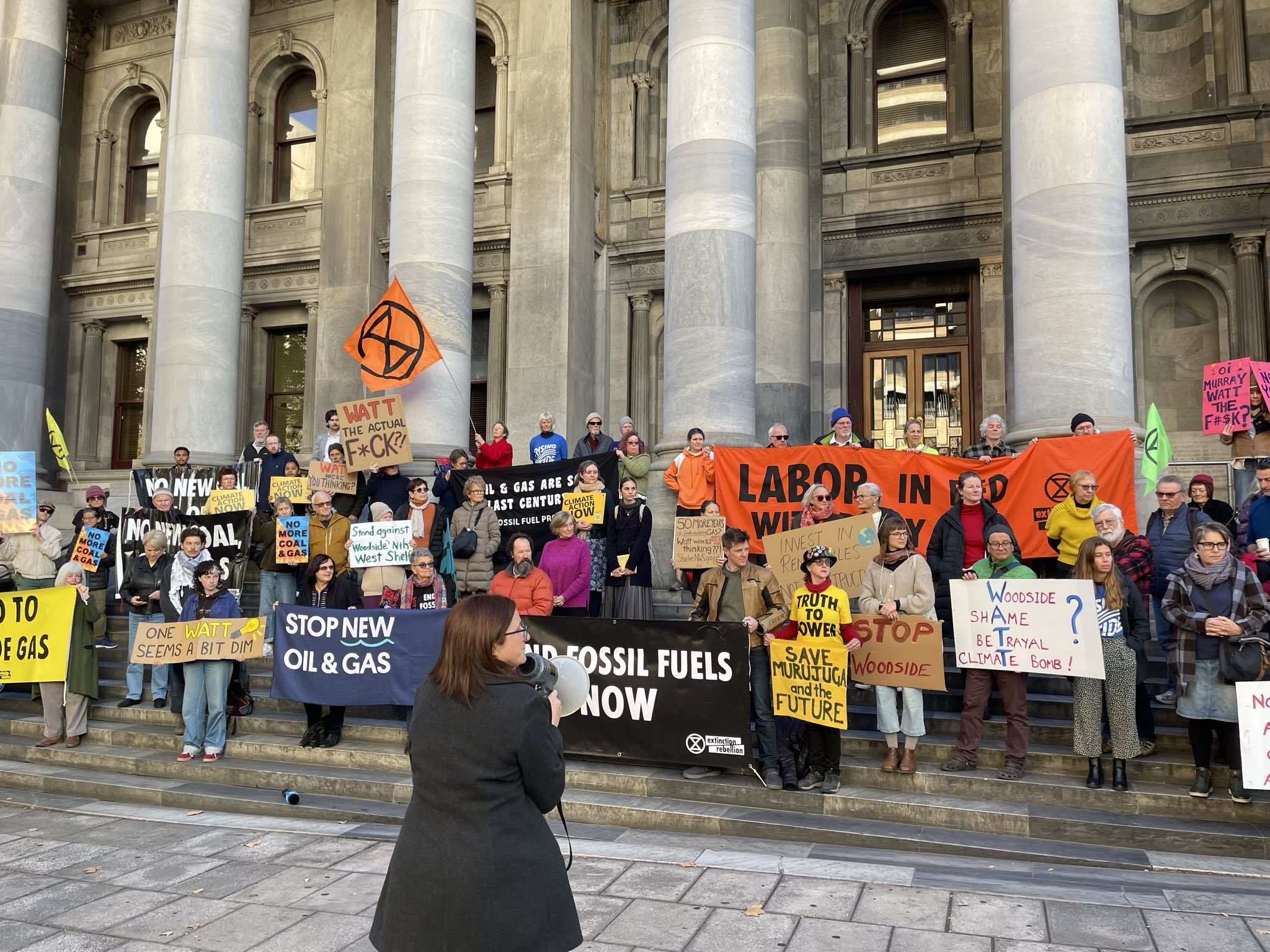
| State governments across Australia have introduced laws that limit the right to protest, particularly targeting climate activists and other forms of civil disobedience. These laws impose harsh penalties for protests that disrupt public infrastructure or services, significantly curtailing the ability to engage in meaningful dissent. Despite growing concerns about climate change, governments have faced criticism for prioritising punitive measures over robust climate action. | |
|
|
|
Background/context A 2024 report by the Human Rights Law Centre claims people’s ability to come together freely and peacefully protest issues they care about is being steadily eroded in Australia. Protesting is one way communities can make their voices heard, raise public awareness, and facilitate changes. The right to protest is a central tenet of democracy. Thanks to courageous Australians protesting in decades past, we have workplace rights, voting rights and environmental protections. However, in recent years, NSW and other states have introduced laws targeting protest activities, particularly those that disrupt public infrastructure. In December 2024, Victoria proposed even stronger legislation. These laws often impose significant penalties, including heavy fines and jail terms, sparking criticism for undermining democratic freedoms. Climate activists have been at the forefront of protests, using disruptive tactics to draw attention to inadequate climate policies. These actions, such as blocking roads or infrastructure, have been met with disproportionate responses, including harsh penalties. Governments argue these measures are necessary to maintain public order, while activists and human rights groups argue they stifle legitimate dissent. Australia has faced global and domestic criticism for its climate policies, often seen as inadequate to meet the Paris Agreement targets. Thus, protest movements have emerged in response to perceived government inaction, advocating for stronger measures to combat climate change. Australia's lack of a federal Human Rights Act that includes comprehensive legal protections leaves human rights safeguards fragmented and inconsistent. The right to protest is a cornerstone of democracy and must be safeguarded to ensure accountability and freedom of expression. Why is this important?
Desired outcomes:
Who to contact:
Resources:
Actions you can take: 1. Email your MP or relevant Ministers: If you need some help getting started with your email, here is an example. Please don’t copy it exactly - personalise it and tailor it to the MP you are writing to. I n addition, when writing to a Minister or Shadow Minister, start by saying that you’re writing to them in their role as Minister for xxxx, otherwise they will probably just forward your email to your local MP. The email suggestion below has two versions – one for state MPs and one for federal MPs. Please modify accordingly. |
|
[MP name] [Member for …. or Minister for ….] Dear … [personal statement - who you are and why you care] Peaceful protests are a fundamental aspect of democracy. The right to peaceful protest is protected by the implied freedom of political communication under the Australian Constitution. New laws to restrict the right to protest are not only unnecessary, they are undemocratic and undermine important civil, political and human rights. Given the climate crisis and ongoing extreme weather events, action on climate is more important than ever. The cost of not acting on climate change far outweighs any immediate economic cost. Australians have the right to protest in response to the seriousness of the climate crisis, which we know is devastating for our people, our country and our planet. I therefore ask: State MPs
Federal MPs
I look forward to your response. Sincerely, Name Address Phone (Note: your contact details are required if you want a reply) |
2. Call your MP or Minister
This is a way to respond instantly to an issue and only takes a couple of minutes.
Here is a suggested script to get you started.
|
Hi, my name is ….. and I’m a voter in [your electorate]. I’d like to speak to …..[name of MP] (Staffer will probably say: I’m sorry they’re not available, can I take a message?) Yes, thank you! Would you please pass on my message and tell them I’m worried about…. (use points from the briefing above) And ask them to …. (see desired outcomes above) Thank you! |
3. Visit your MP
Nothing beats a face-to-face conversation. Email your MP’s electorate office to ask for a meeting and follow up with a phone call a few days later. Get help on how to do this under the Democracy and Governance heading on our Climate briefings webpage.
(Last updated March 2025)
 Did you know...?
| HOLDING OUR ELECTED REPRESENTATIVES ACCOUNTABLE |
|
Citizen democracy refers to the active participation of citizens in democratic processes beyond just voting. We vote in regular state, federal, and local elections, but also have the opportunity to engage in democracy through petitions, public consultations, peaceful protests, and dialogue with elected representatives. Compulsory voting ensures high electoral participation, but citizen democracy builds on this to ensure participation in every stage of the political process. Australia’s democratic system encourages freedom of speech, the right to protest, and open access to information, which allows citizens to influence policies, hold leaders accountable, and contributing to shaping laws and decisions that affect their lives. If you'd like to learn more about engaging with your Members of Parliament check out our training events and our climate briefings resources page to help you get started. |
 Citizen democracy