
|
|
| Regenerative agriculture is an approach to food and farming systems that seeks to conserve and rehabilitate sustainable and biodiverse ecosystems. Regenerative practices enhance the carbon storing properties of soil to create richer biodiversity, ecosystems and crops, while sucking carbon from the air. Many farmers have expressed a strong desire to shift towards regenerative practices. While some government initiatives provide investment and grants, ongoing and increased financial support is needed to make these transitions possible. | |
|
|
Background and context:Australia’s soil is degrading due to centuries of intensified land use, which has seen us experience one of the highest losses of carbon from soil in the world. Degraded agricultural soil becomes harder to farm, and farmers therefore become more reliant on costly, chemical-heavy, industrial-style farming that can lead to further damage to the land, deplete aquifers, increase nitrogen run off and contribute to greenhouse gas emissions. Regenerative agriculture is one solution to this. While there is no universal definition of the practice, it is generally accepted to be a whole-systems approach to farming that prioritises rebuilding soil as an initial step towards restoring ecosystems, improving food security, and increasing the capacity of soil to draw carbon from the atmosphere. Its implementation looks different on every farm depending on its local conditions, but the overall goal is the same: work with nature to protect nature. The benefits of regenerative agriculture are immense: it can build carbon-rich soils full of organic matter, worms, and microbes that store atmospheric carbon and retain more water. For every additional 1% in organic matter in the soil, the soil can capture and store an additional 166,000 litres of water per hectare, which helps farmers to cope better with drought. Soil might also be the hidden champion of climate change mitigation: it stores three times more carbon than the atmosphere and four times more than all living plants and animals. Regenerative agriculture also contributes to increased species diversity, food security, long-term plant growth. But, farmers can’t shoulder the burden of this transition alone. The Australian government must provide ongoing, long-term funding and policy support to help farmers transition to regenerative practices to encourage and reward soil stewardship, biodiversity protection, and carbon drawdown. The $302.1 million Climate-Smart Agriculture Program is a great start, as are the combined $27 million in investments in improving soil health. It’s crucial that these initiatives are not one-off measures, and that regenerative agriculture is integrated into Australia’s broader climate, biodiversity and food security strategies. Why is this important?
Desired outcomes:
Who to contact:
Resources:
Actions you can take:1. Email your MP or relevant Ministers If you need some help getting started with your email, here is an example. Please don’t copy it exactly - personalise it and tailor it to the MP you are writing to. In addition, when writing to a Minister or Shadow Minister, start by saying that you’re writing to them in their role as Minister for xxxx, otherwise they will probably just forward your email to your local MP. |
|
[MP’s full name] [Minister for … or Minister for …] Dear Minister, [Add personal first sentence - who you are, why you care] I am increasingly frustrated at the lack of action on climate change, and the low level of support to farmers who are suffering the consequences of increasing incidences of floods and drought. Farmers need more than just short-term support to front a massive shift in the way the agricultural industry can work to support mitigating climate change. Regenerative agriculture is a proven, nature-based solution that rebuilds soil health, improves biodiversity, and draws carbon from the atmosphere. Many farmers are ready and willing to adopt these methods, but they cannot make the shift alone. Ongoing and systemised financial support is essential to ensure they are properly supported and rewarded for stewarding our land and climate. Programs like the Climate-Smart Agriculture Program and soil health investments are a very welcome first steps towards this, and I applaud the leadership of the Labor Government in this area. However, to be truly effective, these initiatives must be expanded, continued long-term, and integrated into broader climate, biodiversity and food security strategies. Will you push for sufficient and ongoing financial support for farmers to transition to regenerative agricultural practices? How will you push for regenerative agriculture to be integrated into Australia’s broader climate, biodiversity and food security strategies? How will you champion the voices of farmers already trialling regenerative approaches in future policy and programming? I look forward to your response. Sincerely Name Address Phone (Note: your contact details are required if you want a reply) |
2. Call your MP or minister
This is a way to respond instantly to an issue and only takes a couple of minutes.
Here’s a suggested script to get you started:
|
Hi, my name is ….. and I’m a voter in [your electorate]. I’d like to speak to ….. [name of MP]. (Staffer will probably say: I’m sorry they’re not available, can I take a message?) Yes, thank you! Would you please tell them that:
And ask them to:
Thank you! |
3. Visit your MP
Nothing beats a face-to-face conversation. Email your MP’s electorate office to ask for a meeting and follow up with a phone call a few days later. Get help on how to do this under the Democracy and Governance heading on our Climate briefings webpage.
(last updated June 2025)
 Disturbing data:
| TROPICAL DISEASES ARE SPREADING AS THE PLANET WARMS |
|
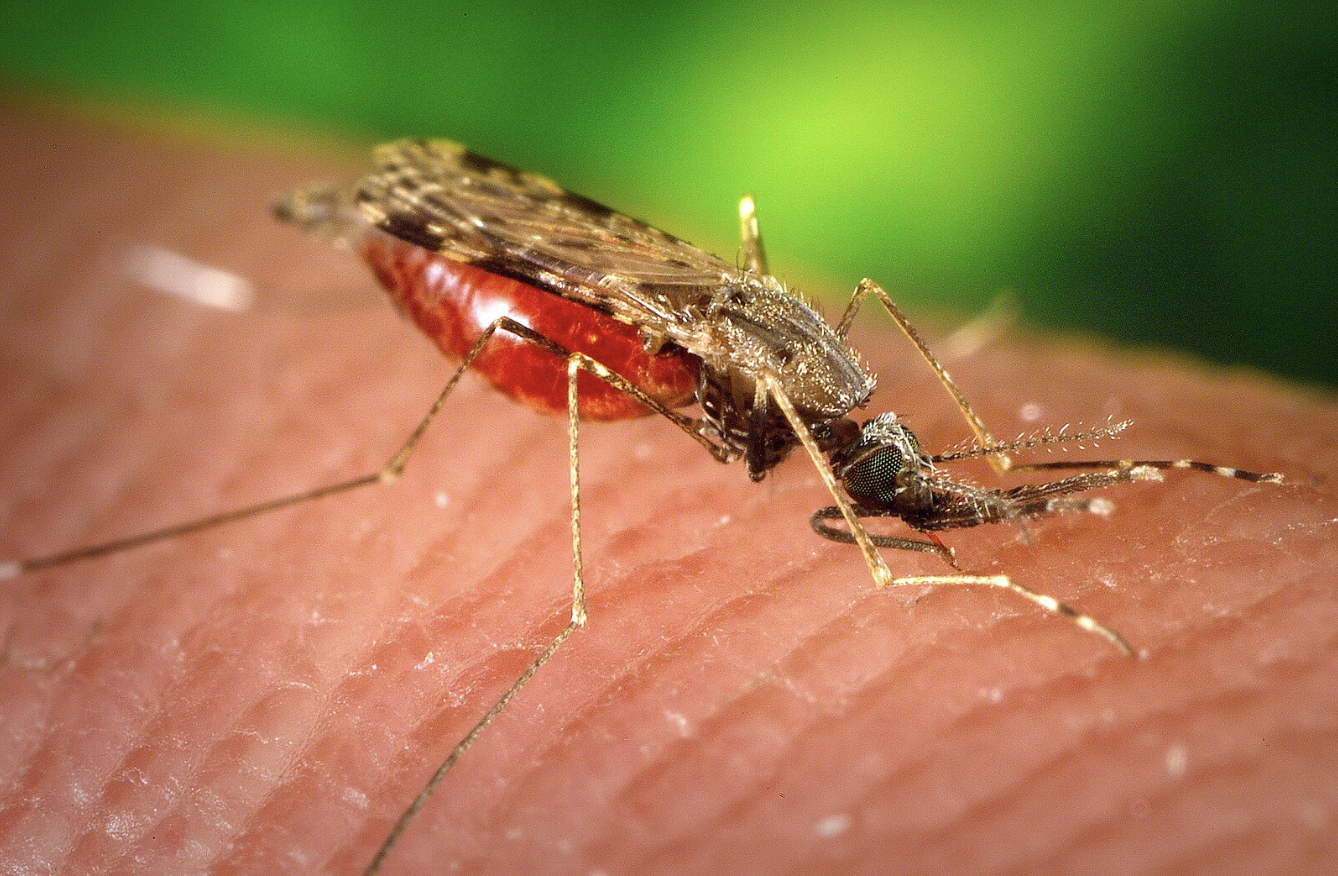
As global temperatures rise and weather patterns shift, many diseases are ‘migrating’, or expanding into new areas. A warmer climate enables disease-carrying organisms like mosquitoes and ticks to survive in areas that were previously too cold, and this allows illnesses like malaria, dengue fever, and Lyme disease to spread to high altitudes and latitudes. Other factors like changing rainfall patterns and seasonal shifts can also influence the geographic range of disease-carrying vectors. An example of this may be the expanding geographic range of the mosquito species that carries dengue fever in Australia. |
 Disease migration