
|
|
| The Australian and global food system is under pressure from climate change. Due to changes in weather patterns, and more extreme weather events, crops and livestock are threatened, limiting access to healthy, affordable, convenient, and appropriate meals. In promoting a green and just transition to net-zero emissions, Australia’s climate change response must address the resilience of our agricultural and food systems and mitigation of threats to our food supply. | |
|
|
|
Background/Context: Australia's climate response must integrate food system resilience as a core pillar. Ensuring equitable access to nutritious food, supporting vulnerable communities, and promoting sustainable farming are not just agricultural goals: they’re central to achieving a just and green transition and securing our food supply into the future. According to the Global Food Security Index, Australia is among the top 10 most food-secure nations globally, with strong performance in affordability, availability, and quality of food. We are around 89% self-reliant for food, with imports being predominantly motivated by taste and variety rather than necessity. However, Australia is also at significant risk of extreme and changing weather patterns that may impact food production systems, including changes to rainfall patterns, more extreme heat, increased intensity and duration of droughts, higher risk of floods, and longer fire seasons. Our agricultural systems are highly sensitive to climate shocks because it is predominantly rainfed, so these climate impacts will pose significant challenges to production systems. To ensure food security in a changing climate, Australia must embed resilience into its national response—by restoring soils, supporting sustainable agriculture, and ensuring all communities have access to nutritious food. Why is it important?
Who to contact:
Further Reading:
Resources:
Action you can take: 1. Email your MP and/or relevant Ministers: If you need some help getting started with your email, here is an example. Please don’t copy it exactly - personalise it and tailor it to the MP you are writing to. In addition, when writing to a Minister or Shadow Minister, start by saying that you’re writing to them in their role as Minister for xxxx, otherwise they will probably just forward your email to your local MP. |
|
[MP name] [Member for …. or Minister for ….] Dear [Insert MP’s Name] [personal first sentence - who you are, why you care...] I am asking you please to introduce, develop and pursue initiatives and policies focused on the future security of Australia’s food system, whilst also lessening the agricultural impacts on climate change. Recent events, such as flooding in Northern NSW affecting crops and rising grocery prices, show just how fragile parts of our system have become. A resilient food system is not only a public health necessity—it’s a matter of national security. I respectfully ask:
I would greatly appreciate the opportunity to hear your views on this critical issue, and I welcome the chance to discuss it further in a meeting or correspondence. Sincerely, Name Address Phone (Note: your contact details are required if you want a reply) |
2. Call your MP or Minister's office
This is a way to respond instantly to an issue and only takes a couple of minutes.
Here is a suggested script to get you started:
|
Hi, my name is ….. and I’m a voter in [your electorate]. I’d like to speak to …..[name of MP] (Staffer will probably say: I’m sorry they’re not available, can I take a message?) Yes, thank you! Would you please pass on my message and tell them I’m worried about…. [use 2-3 points from the briefing or email example] And ask them to …. [use 2-3 points from the briefing or email example] Thank you! |
3. Visit your MP
Nothing beats a face-to-face conversation. Email your MP’s electorate office to ask for a meeting and follow up with a phone call a few days later. Get help on how to do this under the Democracy and Governance heading on our Climate briefings webpage.
(Last updated June 2025)
 Compelling evidence:
| HUMAN-CAUSED GLOBAL WARMING |
|
|
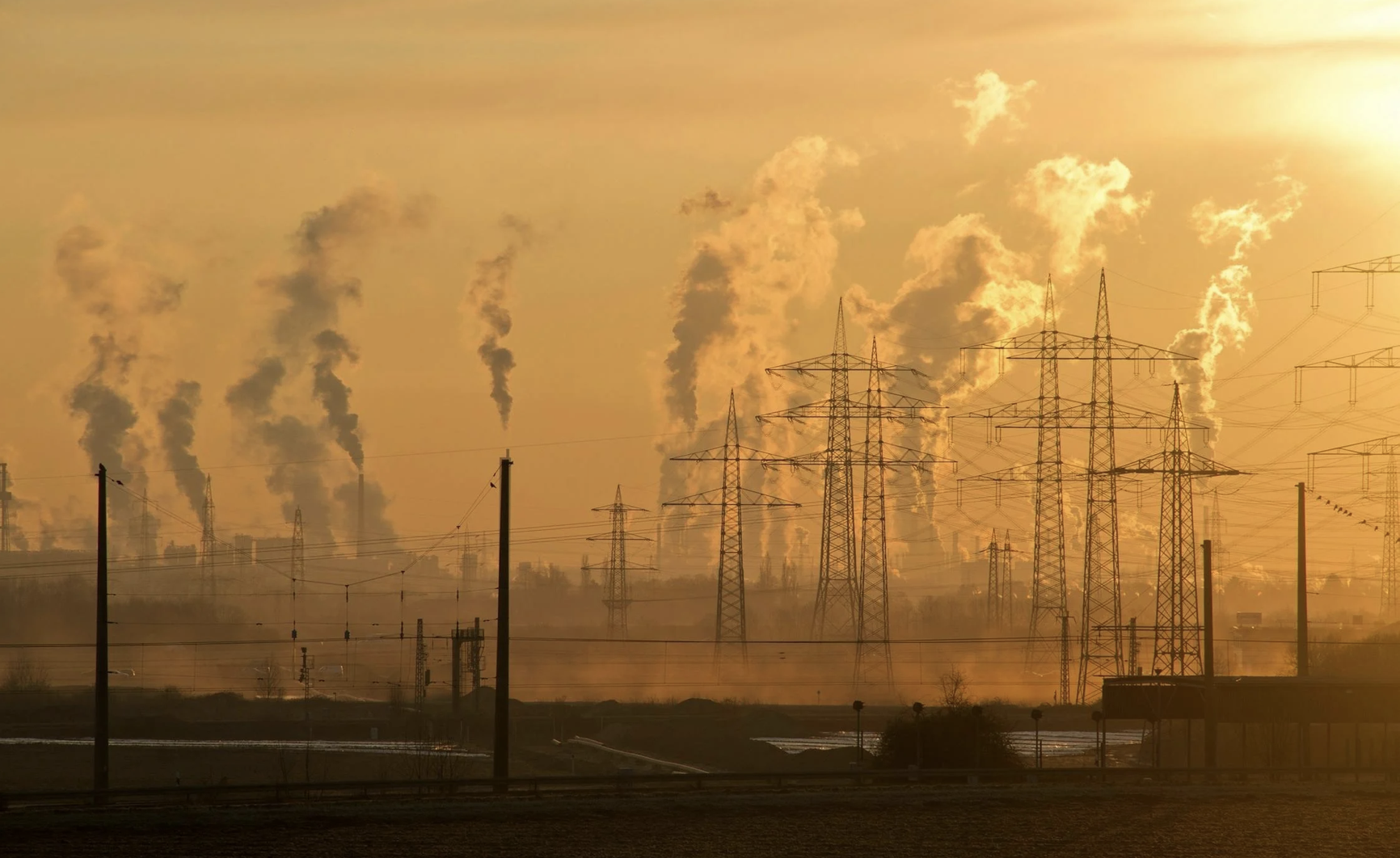 Major causes of climate change