
|
|
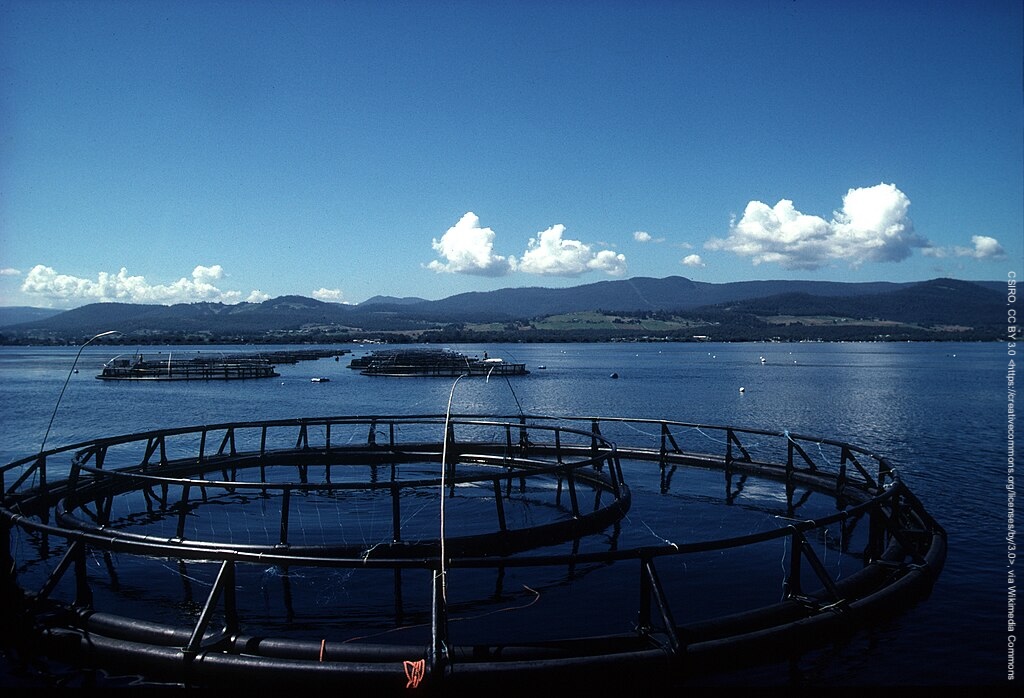
| The huge salmon farming industry in Tasmania has faced controversy over the past few years due to pollution of bays and shorelines, animal welfare concerns, and reduced oxygen levels affecting wild marine populations. Recent changes to legislation raise flags about the government’s power to intervene. | |
|
|
|
Background and context Salmon farming has been in the news a lot in 2025. In February, chunks of biological waste – later found to be congealed fish oil from dead salmon - washed up on Tasmanian beaches, the first hint of an unprecedented mass mortality event, triggered by a major bacterial outbreak, that saw dead fish dumped in landfills. In June, it was revealed that in an attempt to combat mass mortality, producer Huon Aquaculture used a literal tonne of antibiotics in just two weeks to treat a bacterial outbreak, some of which made its way through the food chain into the wild mackerel population, at levels up to a dozen times higher than the threshold for commercially sold salmon. Animal welfare concerns were also raised in March, when footage from a salmon farm showed live salmon being sealed into a tub with dead salmon. A longer-running concern is the salmon industry has been pushing the endangered Maugean skate to extinction in Macquarie Harbour. Nutrient pollution from fish waste and excess feed is depleting oxygen levels in the water, disrupting the skate’s fragile habitat and leaving it unable to survive in increasingly hypoxic conditions. The Maugean skate’s history can be traced back to the time of the dinosaurs, and Macquarie Harbour is its only home. The government’s own conservation advice describes salmon farming in Macquarie Harbour as “catastrophic” for the skate.
Disquiet about salmon farming is happening against the background of Australia’s already weak environmental laws - read our issue briefing on the EPBC Act for more information – and a state regulatory environment that fails Tasmania’s marine environment. Overall, this legislation leaves Australia’s environment less protected than it was at the start of Albanese’s first term. Why is this important?
Desired outcomes:
Who to contact
Resources:
Actions you can take: 1. Email your MP or relevant Ministers If you need some help getting started with your email, here is an example. Please don’t copy it exactly - personalise it and tailor it to the MP you are writing to. In addition, when writing to a Minister or Shadow Minister, start by saying that you’re writing to them in their role as Minister for xxxx, otherwise they will probably just forward your email to your local MP. |
 But concern extends beyond Tasmania’s waters: the influence the salmon lobby has on environmental legislation could spill over to other environmental issues, including climate change. In March 2025, Labor and the Coalition rushed a controversial bill through parliament to bring an end to a formal reconsideration by the environment minister into
 |
[MP name] [Member for …. or Minister for ….] Dear … [Include a personal statement - who you are and why you care] I’m concerned about the environmental and political implications of the salmon farming industry in Tasmania. In 2025 alone, we’ve seen mass fish deaths, alarming antibiotic use, and serious animal welfare breaches. These events are part of a broader pattern of environmental harm, particularly in Macquarie Harbour, where salmon farming is pushing the endangered Maugean skate closer to extinction every day. More troubling still is the government’s response. The rushed passage of legislation in March to halt a formal review of the salmon industry’s approvals sets a dangerous precedent. It weakens the government's ability to respond to environmental harm, not just from salmon farms but potentially also from other powerful industries like fossil fuels. Our environmental laws are already too weak. Further erosion, especially under pressure from industry interests, is unacceptable. How will you ensure stronger environmental laws are given urgent focus? What will you do to prevent new legislation that undermines environmental protection? Will you support a ban on destructive salmon farming in Macquarie Harbour? I look forward to your response. Sincerely Name Address Phone (required if you want a reply) |
2. Call your MP or Minister
This is a way to respond instantly to an issue and only takes a couple of minutes.
Here is a suggested script to get you started:
|
Hi, my name is ….. and I’m a voter in [your electorate]. I’d like to speak to …..[name of MP] (Staffer will probably say: I’m sorry they’re not available, can I take a message?) Yes, thank you! Would you please tell them that:
And ask them to:
Thank you! |
3. Visit your MP
Nothing beats a face-to-face conversation. Email your MP’s electorate office to ask for a meeting and follow up with a phone call a few days later. Get help on how to do this under the Democracy and Governance heading on our Climate briefings webpage.
(Last updated June 2025)
 Did you know...?
| AIR POLLUTION FROM FOSSIL FUELS KILLS MORE PEOPLE THAN SMOKING |
|
|
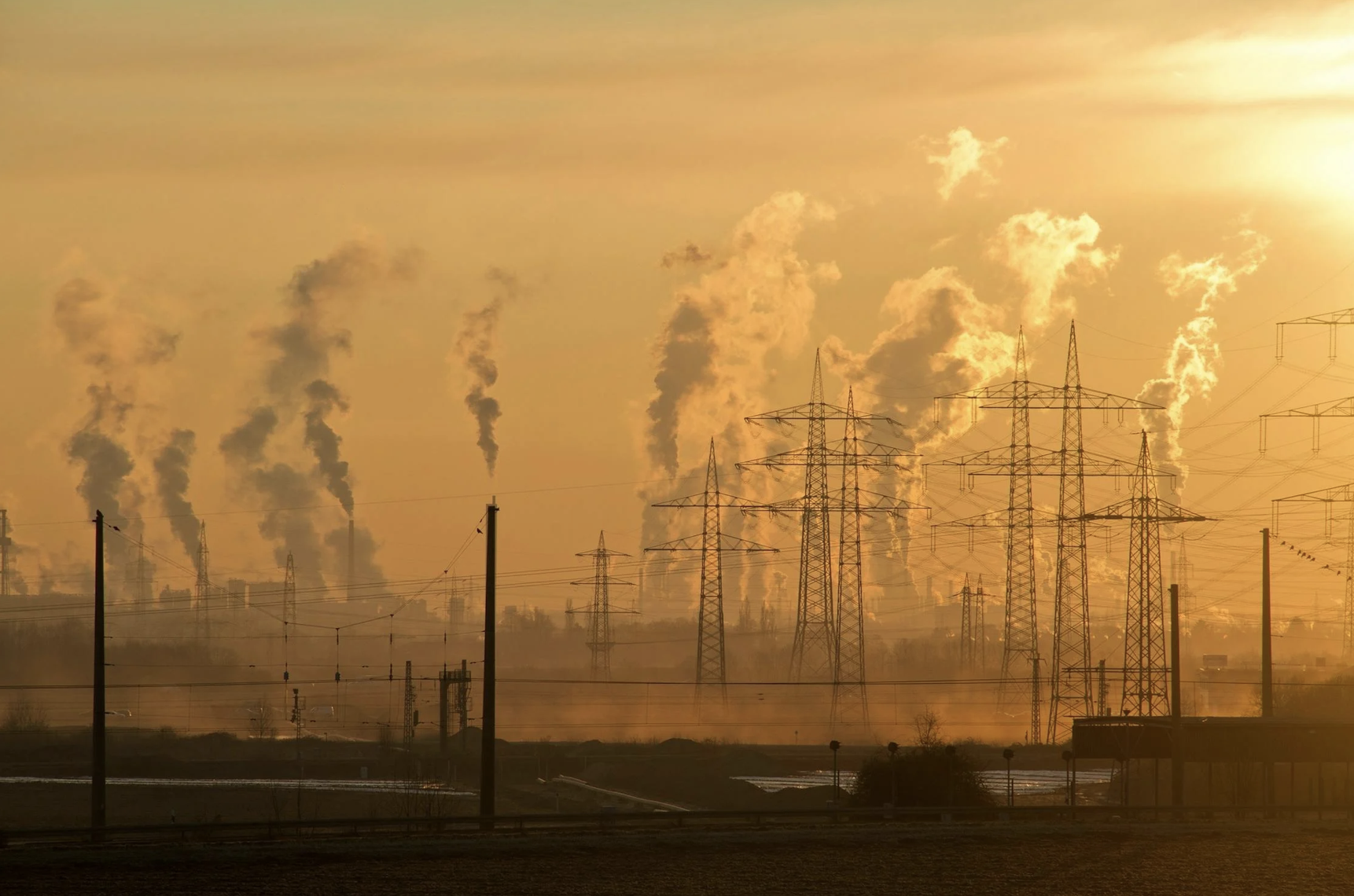 Health fact: Fossil fuels are bad for our health