
|
|
| A "carbon bomb" on climate. That’s what some analysts call the plan for gas fracking deep in the Beetaloo Basin - along with its main staging area near Darwin Harbour, the "Middle Arm Sustainable Development Precinct". If allowed to proceed, these projects will increase carbon emissions and could set a precedent for other fossil fuel developments. | |
|
|
|
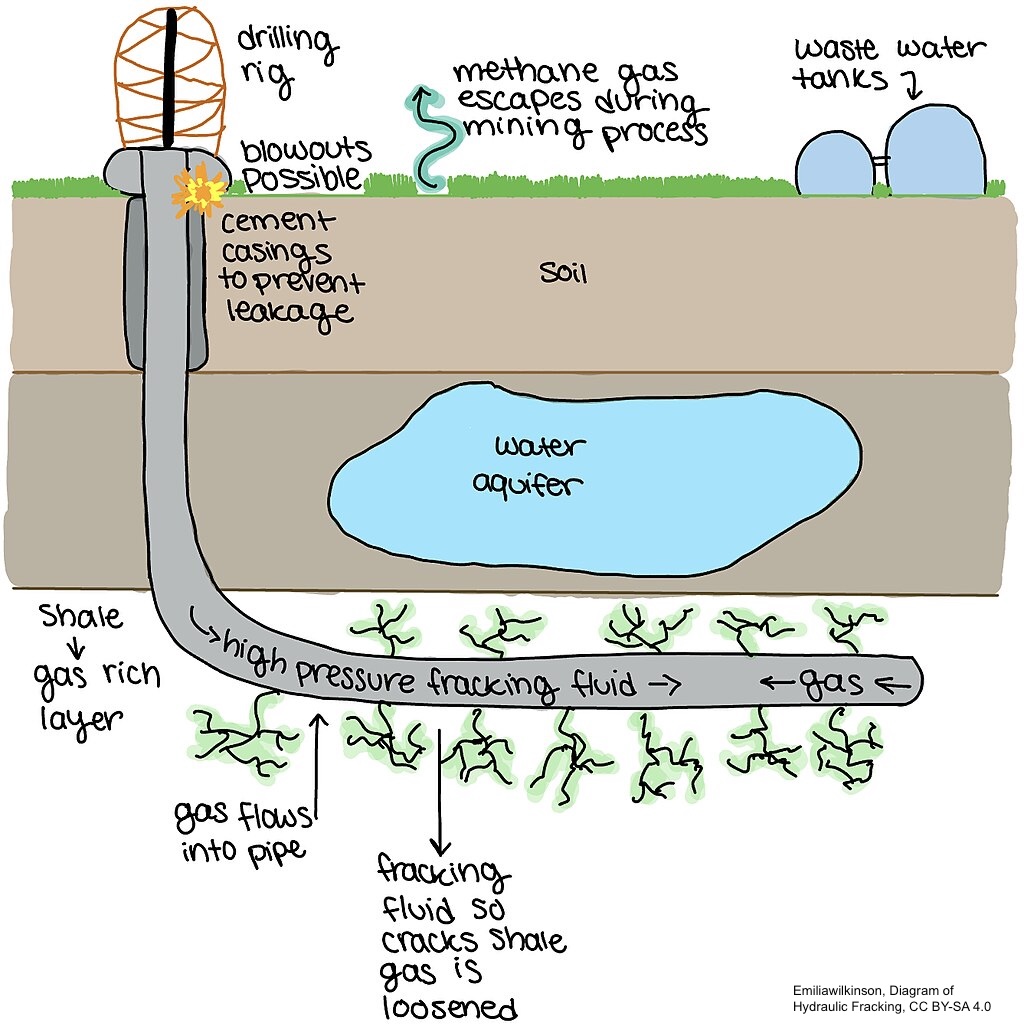
The NT government lifted its moratorium on fracking in 2018 and greenlit projects in the Beetaloo Basin in May 2023. Beetaloo is the biggest shale gas fracking development proposed in the NT and could set a precedent for other fossil fuel developments. Fracking at Beetaloo could increase national emissions by up to 20%. More recently, in October 2025, Tamboran Resources and Falcon Oil completed three new wells–the largest drilling activity so far. Up to 6000 wells are planned at Beetaloo, each using 100 million litres of water and 900 tonnes of chemicals, which could contaminate the groundwater that NT communities, pastoralists, businesses and habitats rely on. Recent fracking spills show the physical damage that might continue to occur. The Middle Arm Precinct—greenwashed as a sustainable development project by the Northern Territory government—will host gas fracked from the Beetaloo Basin, and will have facilities for LNG, blue hydrogen, ammonia, urea and methanol (all produced from gas). The project is relying on CCUS (Carbon Capture, Utilisation and Storage) to mitigate emissions. CCUS is still largely unproven, highly expensive and used to justify ongoing fossil fuel use. The hub would enable greater processing of gas and petrochemicals, and increase CO2 emissions at a time when we need to rapidly reduce them. In August 2024, the results of a senate inquiry into the project were released but failed to reach unanimous agreement on the future of Middle Arm despite acknowledging the likely climate impacts of the project, including concerns raised by scientists, academics, traditional owners and the general public. In September, the Environment Minister appointed an independent committee to provide advice on the potential impacts of the project on water resources, and in November 2024, the federal government’s Infrastructure Australia body rejected the case, stating it was still under development by the Northern Territory government. These developments set the project back considerably - the ABC reports that the project could potentially be delayed by two years beyond its initial 2029 completion date - but the federal government remains committed to investing $1.5 billion into this precinct. Why is this important?
Desired outcome:
Who to contact:
Resources:
Actions: 1. Email your MP or relevant Ministers If you need some help getting started with your email, here is an example. Please don’t copy it exactly - personalise it and tailor it to the MP you are writing to. In addition, when writing to a Minister or Shadow Minister, start by saying that you’re writing to them in their role as Minister for xxxx, otherwise they will probably just forward your email to your local MP. |
 Background and context:
|
[MP name] [Member for …. or Minister for ….] Dear … [Include a personal statement - who you are and why you care] I am alarmed that despite the science on emissions, and that Australia does not need more gas, drilling has been allowed to proceed in the Beetaloo Basin with three new wells completed in 2025. The NT Government’s decision to support fracking at Beetaloo is a betrayal of the science and ignores the significant community opposition.The risks to groundwater are especially concerning as the Tindal Aquifer provides water supply to many towns, homesteads, agriculture and the cattle industry. In addition, the NT Government is proposing a 'Middle Arm Sustainable Development Precinct' (MASDP) in the centre of Darwin Harbour. But this is greenwashing, as far from supporting sustainable development, the precinct is planned to be a gas-fed petrochemical hub that poses serious human health and environmental risks. The industries slated for development at the MASDP include petrochemicals, gas processing, critical minerals processing, and carbon capture and storage (CCS). This decision does not make sense and is unacceptable. We don’t need more gas, particularly when it is only for export, and these projects will accelerate massive climate emissions,and jeopardise Australia’s emissions targets. In the interests of achieving Australia’s emissions targets and mitigating the worst effects of global warming: Will you do everything you can to stop fracking at Beetaloo? Will you ask Federal Labor to oppose the Middle Arm Sustainable Development Precinct? Will your government put pressure on the NT Government to stop these projects? I urge you to talk to your colleagues in caucus and cabinet to achieve these ends. Sincerely, Name Address Phone (required if you want a reply) |
|
2. Call your MP Here's a script to get you started: |
|
|
|
|
3. Visit your MP Nothing beats a face-to-face conversation. Email your MP’s electorate office to ask for a meeting and follow up with a phone call a few days later. Get help on how to do this under the Democracy and Governance heading on our Climate briefings webpage. |
(Last updated January 2026)
 Science says:
| WHAT IS OCEAN ACIDIFICATION? |
|
Increased acidity harms sea life Ocean acidification occurs when the oceans absorb excessive amounts of carbon dioxide from the atmosphere, causing a chemical reaction that lowers the pH of seawater and makes it more acidic. This shift in ocean chemistry poses a serious threat to marine ecosystem because it harms and kills sea life like coral, shellfish and some plankton. Increased acidity interferes with their ability to build and maintain calcium carbonate shells and skeletons, and as a result they struggle to survive, leading to weakened food webs and declining biodiversity. Other marine organisms experience changes in growth, development, and abundance.
|
