
|
|
| Despite knowing the dangers of continued fossil fuel extraction, Australia continues with new oil and gas projects, many of which involve seismic blasting. Seismic blasting has a significant negative impact on marine environments, harming whales and other sea life and affecting commercial and recreational fishing. Demand an end to this destructive process. | |
|
|
|
Background and context: 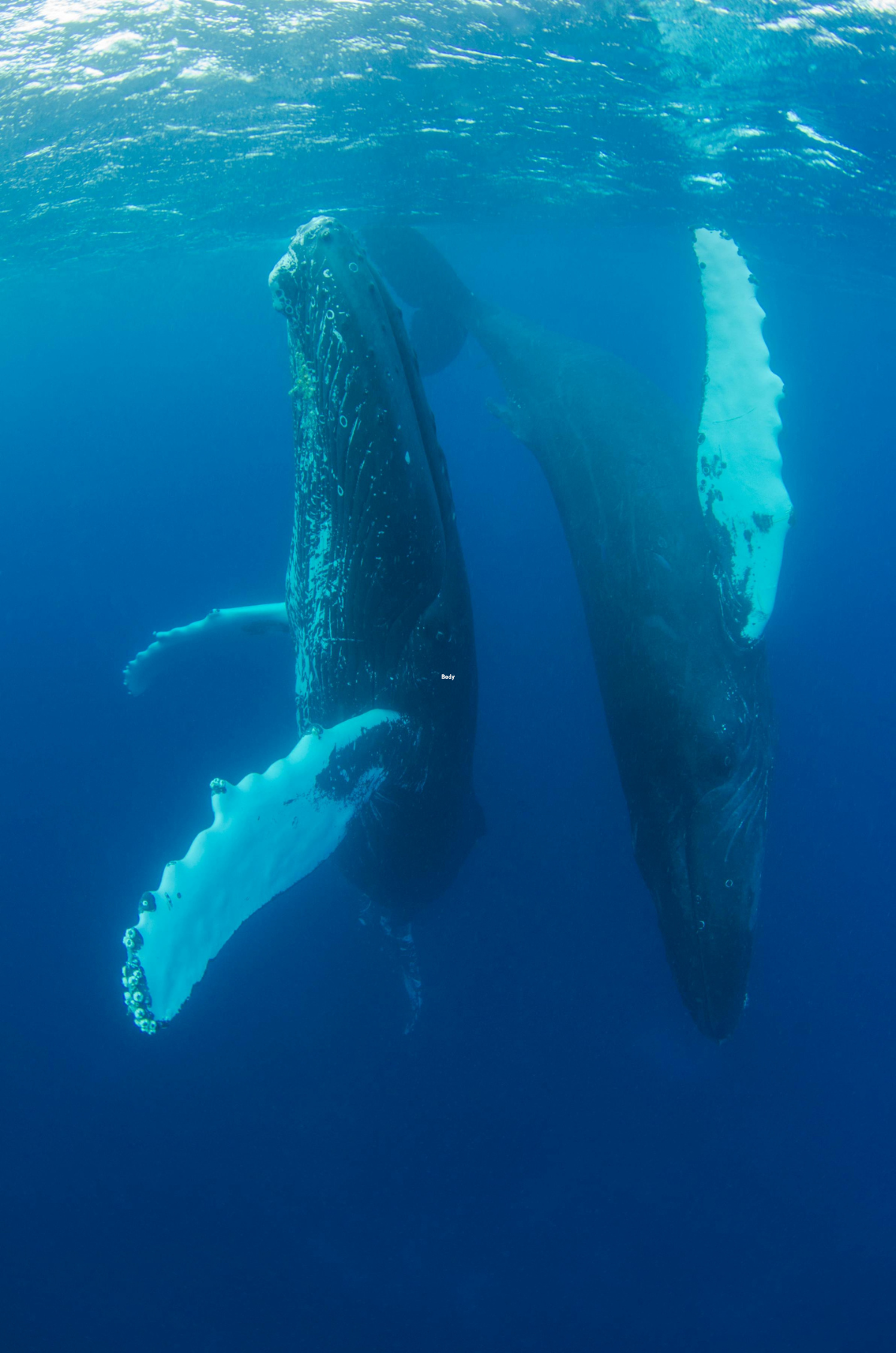
Seismic blasting is a process used by companies that want to understand what lies beneath the sea bed—so it’s most commonly used to search for oil, gas, carbon capture and storage locations. The process uses underwater compressed air guns to reflect sound up to 250 decibels off the seafloor. Blasts are fired at intervals between two and 10 seconds, up to 12 hours at a time, for weeks or months on end. While the ecological damage associated with seismic blasting requires further study, it has been shown to cause deafness in whales, disrupting their navigation and communication capacity, and impacting their ability to feed, breed and keep the pod safe. It also kills zooplankton with widespread ecological impact and has a significant negative impact on commercial and recreational fishing. Seismic blasting has previously been approved in the whale-rich waters of the Great Australian Bight, the iconic Kimberley coast, the scallop-rich waters of Bass Strait and the fishing haven off Newcastle’s coastline. The process is enabled through a Special Prospecting Authority (SPA) for Exploration Permits, which lets fossil fuel companies buy access to our ocean floor for oil and gas exploration. Notably, the applications for these SPAs are assessed in isolation, meaning the government does not consider the cumulative impact of multiple seismic blasting projects on marine life. A bill prohibiting these SPA Permits was introduced to the House of Representatives in November 2024, but lapsed on 28 March 2025 with the dissolution of parliament prior to the federal election. In late 2024, a major seismic blasting proposal by Norwegian company TGS in the Otway region was withdrawn after vocal community opposition, and in February 2026, French company CGG's seismic blasting proposal in the same area was rejected by NOPSEMA after a sustained campaign by coastal communities and citizen scientists. This demonstrates the powerful impact that advocacy can have on this issue. However, the Otway Basin remains under pressure: Beach Energy received NOPSEMA approval (April 2025) for a gas drilling project off the Otway coast with seismic profiling listed among its activities, and in May 2026, both the federal and Victorian Labor governments approved a production licence for Amplitude Energy's Annie gas field, located just 10km offshore near the Twelve Apostles. Why is this important?
Desired outcome:
Who to contact:
Resources:
Actions: 1. Email your MP or relevant Ministers If you need some help getting started with your email, here is an example. Please don’t copy it exactly - personalise it and tailor it to the MP you are writing to. In addition, when writing to a Minister or Shadow Minister, start by saying that you’re writing to them in their role as Minister for xxxx, otherwise they will probably just forward your email to your local MP. |
|
[MP name] [Member for …. or Minister for ….] Dear … [Include a personal statement - who you are and why you care] I am deeply concerned there is continued use of seismic blasting to survey oil and gas fields for new extraction projects across Australia. Despite warnings from the IPCC and many other scientific bodies, Australia continues with new oil and gas projects. Survey ships blast at intervals between two and ten seconds, up to 12 hours at a time, for weeks or months on end. This has enormous impacts on Australia’s marine life, particularly whales that visit our coastlines. The current approval processes for oil and gas exploration do not include adequate measures to mitigate the impact of such an activity on the ocean environment and marine life. We know seismic blasting kills zooplankton (the foundation of life in the ocean), and research has also shown a significant impact on fish and scallop populations and the breeding, feeding and migration of whales. Protection of biodiversity is crucial and with worsening climate breakdown and associated food shortages, it is more important than ever that our oceans and fisheries are protected. Will you ensure our marine environment is protected to maintain biodiversity and preserve our ocean-based food supply? Will you act to ensure that seismic blasting is rapidly phased out and there are no new exploration approvals? I look forward to your response. Sincerely Name Address Phone [required if you want a response] |
|
2. Call your MP Here is a suggested script to get you started: |
|
|
|
|
3. Visit your MP Nothing beats a face-to-face conversation. Email your MP’s electorate office to ask for a meeting and follow up with a phone call a few days later. Get help on how to do this under the Democracy and Governance heading on our Climate briefings webpage. |
(Last updated May 2026)
| SCIENCE SAYS |
|
|
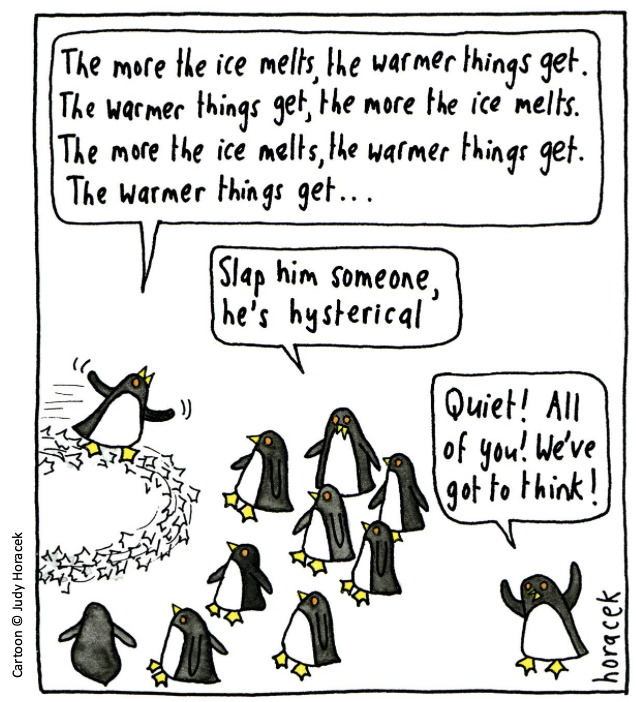 Feedback loops