
|
|
|
Hotter temperatures, bushfire smoke, floods, and storms are disrupting sport across Australia, from elite competitions to weekend community games. Without urgent action to reduce emissions from fossil fuels, the health, safety, and participation of millions of Australians will be at risk. The federal and state governments must step up to safeguard Australia’s sporting future through emissions reduction, adaptation and mitigation funding, and investment in resilient local facilities. |
|
|
|
|
Background and context: Outdoor sport is central to Australian life. It brings communities together, supports mental and physical wellbeing, and underpins a major part of our national identity. But climate change is increasingly threatening this way of life, impacting sporting facilities and the health and safety of players and spectators. Across the country, sporting events are being postponed, relocated, or cancelled due to extreme weather. In January 2024, tennis players and spectators at the Australian Open struggled in temperatures above 40°C. Bushfire smoke has forced cricket matches and running events to be called off, while flooding has washed out football ovals, swimming pools, and community grounds. Community sport is being hit the hardest. Local clubs which are often run by volunteers face mounting costs to repair flood-damaged facilities or cancel games because of unsafe heat levels. Regional communities, already vulnerable to climate impacts, are losing vital opportunities for social connection and physical activity. Despite these growing risks, Australia lacks a national strategy to protect sport from climate change. Government investment continues to prioritise short-term infrastructure over long-term resilience. Climate adaptation plans rarely include sport, and there is little funding to help local clubs cope with rising insurance premiums, ground closure, and safety risks from heat and air pollution. The Hit for Six: The Danger Zone report has highlighted the impact of rising temperatures on cricketers at both grassroots and international level. More than half of the games during the 2025 IPL in India were played during conditions classed as Extreme Caution or Danger, increasing the risks of heat stress. In Australia in 2024, there were 46 hazardous heat days above 37 degrees Celsius: the threshold beyond which outdoor activity becomes unsafe. Following this report, Test Cricket captain Pat Cummins, the cofounder of Cricket for Climate, has called on the federal government to help sporting clubs by committing to a $100 million fund over five years to help 1,000 grassroots sporting clubs manage costs and deal with excessive rainfall and heat caused by climate change. Meanwhile, major sporting codes such as the AFL and Cricket Australia have begun implementing sustainability programs but these efforts need government support and coordination to make meaningful change nationwide. Why is this important?
Desired outcomes:
Who to contact:
Additional resources:
ACTIONS YOU CAN TAKE: 1. Email your MP or relevant Ministers If you need some help getting started with your email, here is an example. Please don’t copy it exactly - personalise it and tailor it to the MP you are writing to. In addition, when writing to a Minister or Shadow Minister, start by saying that you’re writing to them in their role as Minister for xxxx, otherwise they will probably just forward your email to your local MP. |
|
[MP name] [Member for …. or Minister for ….] Dear … [Include a personal statement - who you are and why you care] I’ve recently learned about the increasing disruption to Australian sport caused by climate change from extreme heat to floods and bushfire smoke and I’m deeply concerned that governments are not doing enough to protect players, fans, and local communities. Community sport is vital to our wellbeing, but many clubs are being forced to cancel games, repair flood damage, or play in unsafe heat. These challenges are only expected to worsen as our climate continues to warm. I’m asking you to:
I would like to hear how your government are ensuring that our sporting culture is protected into the future. I look forward to your response. Sincerely, Name Address Phone [required if you want a response] |
2. Call your MP
This is a way to respond instantly to an issue and only takes a couple of minutes.
Here is a suggested script to get you started. Use points from the background section above to fill it in.
|
Hi, my name is ….. and I’m a voter in [your electorate]. I’d like to speak to …..[name of MP] (Staffer will probably say: I’m sorry they’re not available, can I take a message?) Yes, thank you! Would you please tell them I’m worried about how climate change is affecting community and professional sport with games cancelled due to heat, floods, and bushfire smoke. And ask them to support a national climate and sport strategy and funding for resilient local facilities, and to back stronger emissions reduction targets to protect Australia’s sporting future. Thank you! |
3. Visit your MP
Nothing beats a face-to-face conversation. Email your MP’s electorate office to ask for a meeting and follow up with a phone call a few days later. Get help on how to do this under the Democracy and Governance heading on our Climate briefings webpage.
(Last updated October 2025)
 Get informed:
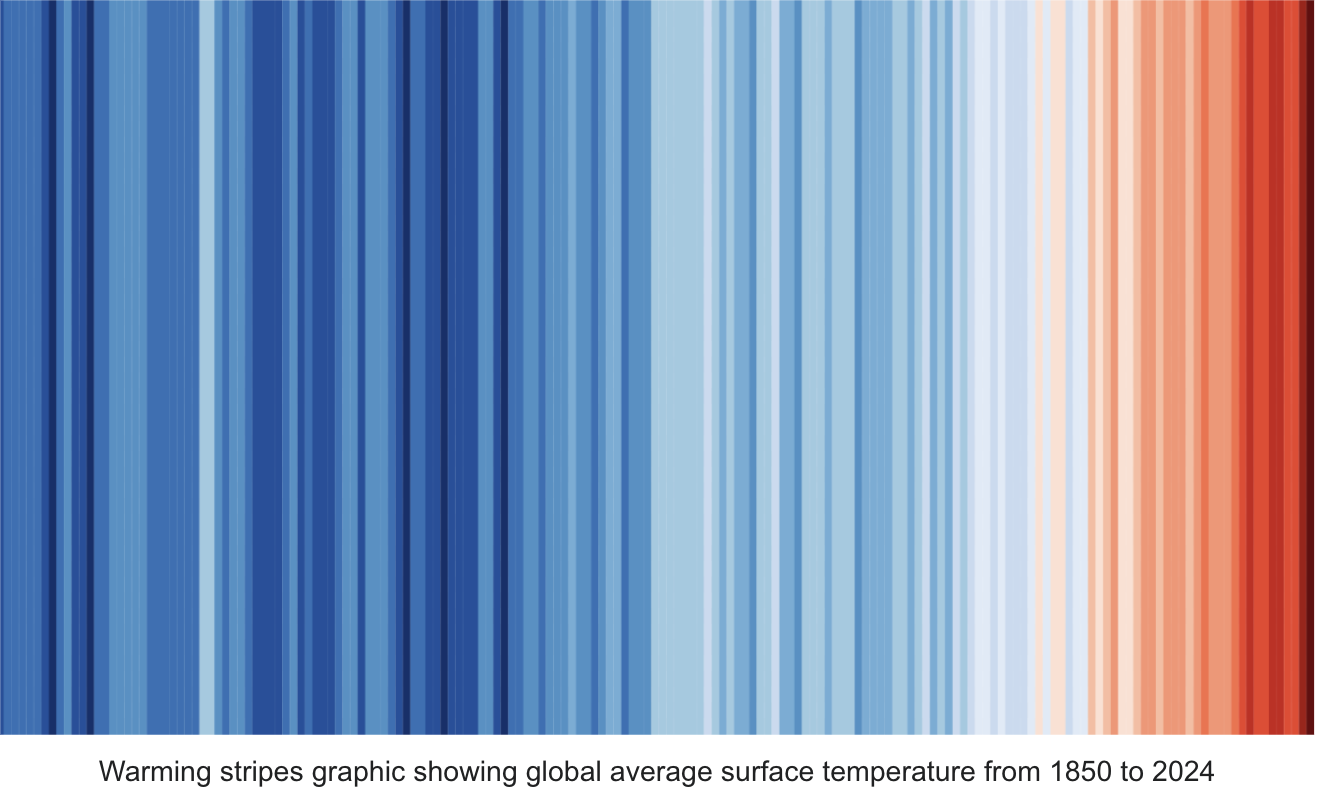
| AVERAGE GLOBAL TEMPERATURES ARE INCREASING |
|
|
 Our hottest years