
|
|
|
It’s been more than a month since you wrote to your MP and you haven’t received a reply. How do you follow up to make sure they acknowledge your concerns? Here are some suggestions to keep the pressure on them to listen and act and to prod them so you do get a reply. |
|
|
|
|
Email example: If you need some help getting started with your email, here is an example. Please don’t copy it exactly - personalise it and tailor it to the MP you are writing to. In addition, when writing to a Minister or Shadow Minister, start by saying that you’re writing to them in their role as Minister for xxxx, otherwise they will probably just forward your email to your local MP. |
 Why is this important?
|
[MP name] [Member for …. or Minister for ….] Dear … I wrote to you on [date] expressing my concerns about [reiterate your concerns]. However, I have not yet received a reply from you. I am extremely worried about this issue and would really like a reply/ an answer to my questions/ to know your views. [repeat questions/asks from initial email] I look forward to your response. Sincerely Name Address Phone (Note: your contact details are required if you want a reply) |
Visit your MP
Nothing beats a face-to-face conversation. Email your MP’s electorate office to ask for a meeting and follow up with a phone call a few days later. Get help on how to do this under the Democracy and Governance heading on our Climate briefings webpage.
(Last updated October 2025)
 Science says:
| HOW WILL GLOBAL WARMING AFFECT SEA LEVELS? |
|
|
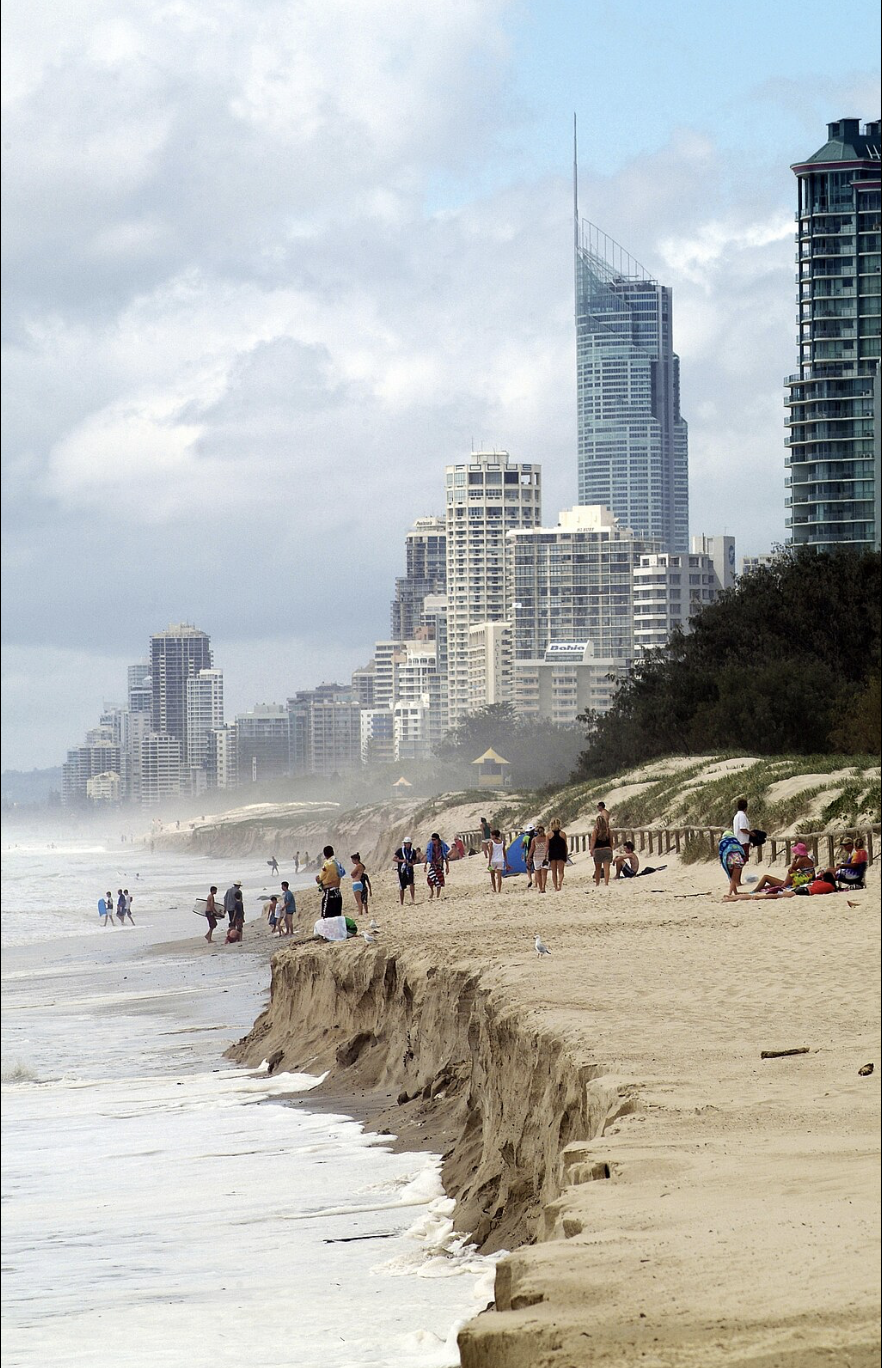 Drivers of sea level rise