Request a face-to-face meeting with your MP

CLIMATE BRIEFING
The best way to establish a relationship with your local Member of Parliament and to let them know what you want them to do on your behalf is with a face-to-face meeting.  Australian MPs report that face-to-face visits with constituents have, by far, the biggest influence on them. You get the opportunity to discuss issues you feel strongly about, and to ask your MP to act on your concerns.
This climate briefing is part of our series of simple, easy-to-follow guides and email templates on big climate topics for Australia. They’re designed to help you get across the issues, feel more confident speaking up, and make it easy to send a message to your MP about the things you care about.

Meeting with constituents is a large part of an MP’s job - most of them spend more time in their electorates than in Canberra!

Your MP’s job includes:

  • being a spokesperson for local interests – speaking and asking questions in the House to raise issues of particular interest to their constituents,
  • keeping constituents informed of developments in government or party policy and the implications of government decisions,
  • relaying the concerns of electors generally to the government or to their parties,
  • making representations to the government on behalf of their electorates and representing community views on national issues.

It’s easier than you think to visit with your MP! Teaming up with a friend or in a small group will give you moral support and back up. You might feel nervous the first time, but MPs want you to like them and will be friendly and respectful, and afterwards you’ll realise how easy and accessible it was. Find some tips on planning your visit here.

The first step: making the appointment

Some MPs are keen to meet with constituents while others are more reluctant. MPs with ministerial or other parliamentary duties may be busier and therefore more difficult to make a time with. Be persistent! It’s part of their job and you’ll get an appointment eventually.

    • Check your MP’s federal or state electorate office contact details if you’re unsure of them. 
    • Check the parliamentary sitting calendar for an idea of when your MP will most likely be in their electorate rather than in Canberra.
    • Then email or call your MP’s office and ask for an appointment to meet with them.
      • If you’re calling the electorate office, be prepared - write a little script or dot points to explain where you are from, why you want to meet the MP and who else would be attending the meeting.
      • Be patient if you don’t get a response immediately, or are given an appointment time a few weeks ahead. If you haven’t heard back or think you’re not getting anywhere, a reminder never hurts. If you keep contacting your MP, they will realise how important you feel it is to meet with them.
      • It's good to give them a couple of options of days and times that suit you. While they may not be able to accommodate those times, it may prompt them to offer an alternative.
  • If you’re requesting a meeting by email you could model it on the example below. Keep it short and to the point. 
    • If you don’t get a response within a few days, send a follow-up email or call the electorate office.
    • If you are unable to meet with them in person, ask for a zoom or video meeting.
    • Stay polite, but be persistent!

Email example:

If you need some help getting started with your email, here is an example. 

Please don’t copy it exactly - personalise it and tailor it to the MP you are writing to. 

In addition, when writing to a Minister or Shadow Minister, start by saying that you’re writing to them in their role as Minister for xxxx, otherwise they will probably just forward your email to your local MP.

[Your MP’s name]

[Electorate] 

Dear [MP’s name],

I am a resident/constituent/voter in your electorate and I am deeply concerned about [brief statement of your issue and why it’s important]

[Optional: Share some information about yourself or your group and your connection to your community - how long have you lived in the electorate? Are you active in local schools, clubs, faith groups, sporting teams or businesses?]

As my [federal/state] representative, I would like to meet with you to hear your views on this issue and how you may be able to help. 

If it is suitable for you, I would like to meet with you during the week of [insert date]. I look forward to hearing from you.

Yours faithfully 

Name 

[position/qualifications if relevant]

Address

Phone Number

(Last updated May 2025)


 Get informed:

AUSTRALIAN FEDERAL PARLIAMENT

House of Representatives

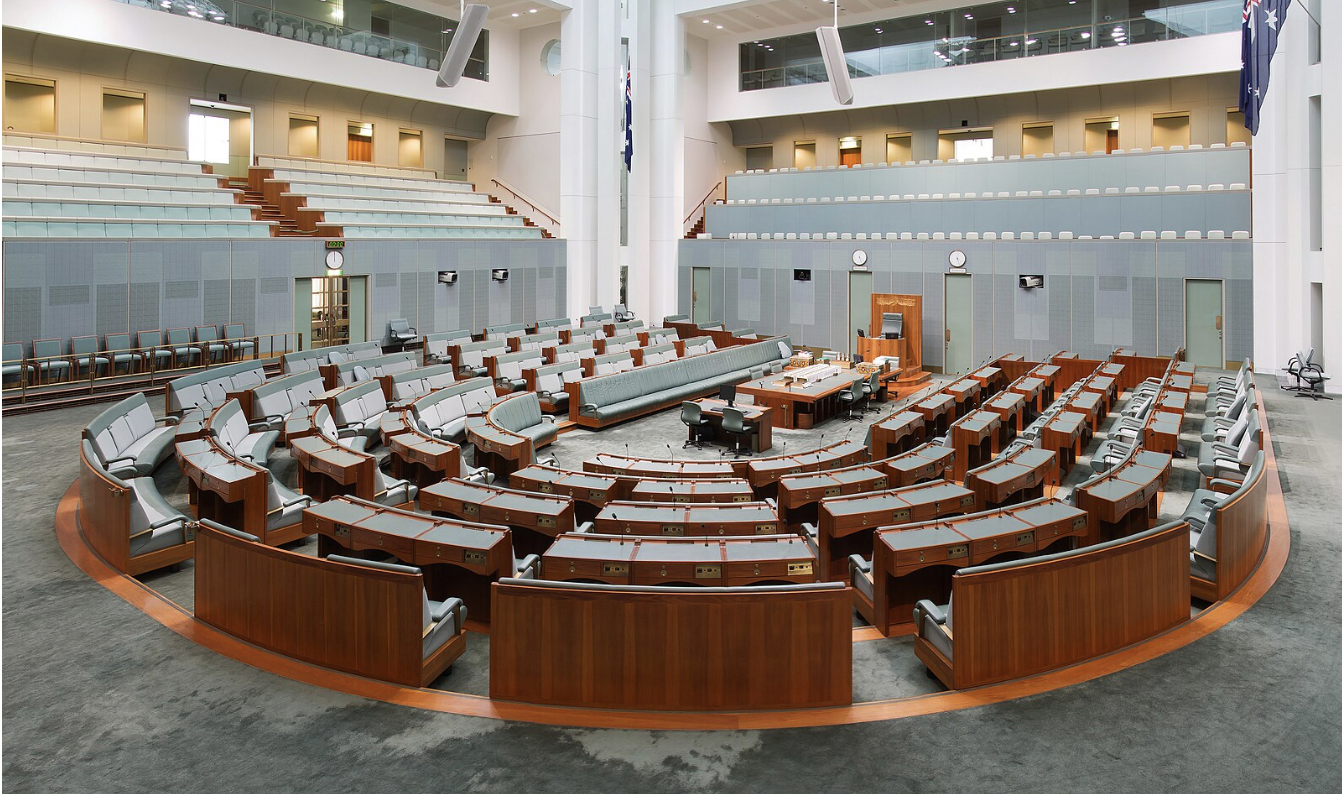
The House of Representatives is one of the two houses of the Australian parliament. It is often called the Lower House, and it is where the government is formed. The House has 151 members, each representing an electorate, and members are elected for a three-year term. The political party or coalition with the majority of seats forms the government, and its leader becomes the Prime Minister. The House debates and votes on proposed laws (bills), and holds the government accountable through question time, debates, and parliamentary committees.


Aboriginal flag Torres Strait Islander flag

We acknowledge the Traditional Custodians of Country throughout Australia, whose sovereignty was never ceded. We acknowledge that Indigenous peoples around the world are at the forefront of climate change, both in experiencing its effects and leading solutions for change. We pay our sincerest respects to all Elders, past and present.